
As Ghana gears up for its fifth FIFA World Cup appearance next year in the United States, Mexico, and Canada, a fresh debate has emerged over the inclusion of dual-nationality players — footballers who were born or raised abroad but trace their roots to Ghana.
The discussion, which has divided opinions among fans and pundits, centers around whether players who did not feature during the qualifiers should be given a place in the World Cup squad.
However, former Sports Minister [Name withheld in text] has waded into the conversation, calling for inclusivity and understanding. Speaking on Channel One TV’s Face To Face, the former minister argued that a player’s birthplace should not define their patriotism or eligibility to represent Ghana.
> “Even Jordan [Ayew] and Dede [Ayew] — they were not born here. They were born outside the country,” he said. “They had the opportunity and they came to play for us; Anthony Baffoe the same. Accident of birth should not prevent someone from enjoying portraying his Ghanaianess.”
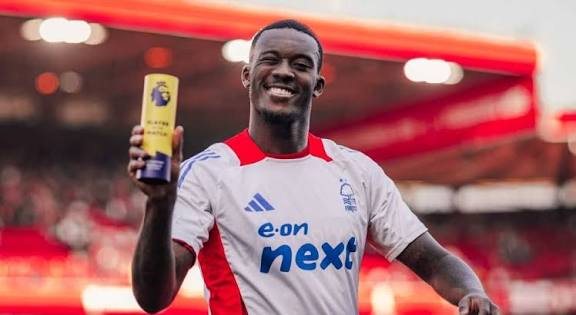
His remarks come at a time when players like Callum Hudson-Odoi of Nottingham Forest, Eddie Nketiah of Crystal Palace, and Rome-Jayden Owusu-Oduro of AZ Alkmaar have been strongly linked with potential call-ups to Ghana’s World Cup squad.
For many, the inclusion of such players could boost Ghana’s chances on the global stage. But for others, it reignites long-standing concerns about commitment and loyalty. Still, as the former Sports Minister emphasized, being born abroad should never disqualify anyone from expressing their identity and pride in being Ghanaian.



0 Comments