
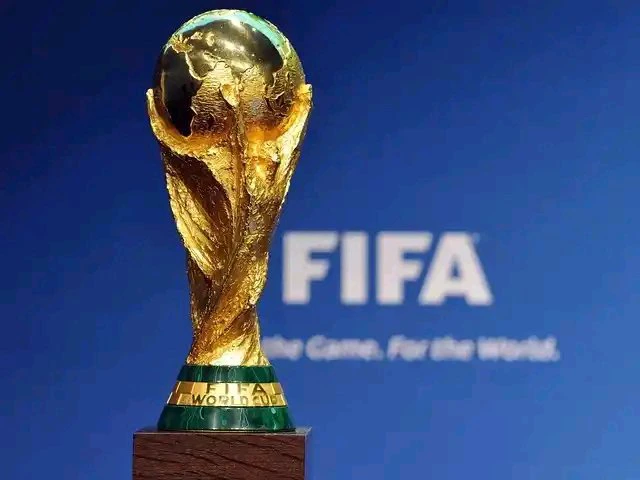
The FIFA World Cup is the pinnacle of international football, where nations compete for global glory. Yet, throughout history, some absences from the tournament have not been due to results on the pitch, but rather disciplinary action from FIFA.
Since 1950, 17 countries have faced suspension or bans from World Cup participation, largely due to political interference, governance failures, or breaches of competition regulations.
Recent sanctions involving Pakistan and Congo — alongside Russia’s continued exclusion — highlight FIFA’s firm stance on administrative independence and compliance.
Here is a breakdown of the affected nations and the reasons behind their suspensions:
Germany (1950) – Banned following World War II due to its wartime role.
Japan (1950) – Also barred after World War II.
South Africa (1970–1990) – Suspended over apartheid policies before being reinstated in 1991.
Mexico (1990) – Sanctioned for fielding overage players in a youth tournament, resulting in a two-year ban.
Chile (1994) – Punished after goalkeeper Roberto Rojas faked an injury during a 1989 qualifier against Brazil.
Myanmar (2006) – Barred for withdrawing from a World Cup qualifier against Iran.
Iraq (2008) – Temporarily suspended after government dissolution of national sporting bodies.
Nigeria (2014) – Suspended due to government interference in its football federation.
Kuwait (2015) – Banned over political interference in football administration.
Indonesia (2015) – Suspended for governance-related interference.
Guatemala (2016) – Barred because of government involvement in football affairs.
Pakistan (2017, 2021, 2025) – Faced repeated suspensions due to internal federation disputes.
Chad (2021) – Banned for government interference in football operations.
Russia (2022, 2026) – Suspended following the invasion of Ukraine.
Zimbabwe (2022) – Sanctioned after authorities dissolved the national football association.
Kenya (2022) – Banned over financial mismanagement before the suspension was lifted.
Congo (2025) – Recently barred due to external interference in football governance.
While FIFA bans often spark controversy and debate, they underscore the governing body’s commitment to safeguarding independence, transparency, and proper administration within the sport. These cases illustrate how political instability, governance lapses, and rule violations can profoundly impact a nation’s participation on football’s biggest stage.




0 Comments