The Nigerian Football Federation (NFF) has chosen the path of scapegoating its players while the real fire rages in its own boardroom. After the Super Eagles stumbled in a qualifying group that should have been routine, the federation—under Ibrahim Gusau’s watch—released a statement blaming players for the collapse. Yet, when public outrage flared, the NFF swiftly denied authorizing the statement, leaving its own spokesperson, Ademola Olajire—one of Nigeria’s finest sports journalists—dangling in the wind.
It’s a familiar pattern: deny responsibility, deflect blame, and hope Nigerians move on. But Nigerians are not fooled. Anyone who understands how official press releases work knows that Olajire would never have issued that statement without the approval of the top brass. The NFF’s denial insults the intelligence of the public—my four-year-old daughter would laugh at the claim.
The real crisis is years in the making. Grassroots development has been abandoned, youth competitions scrapped, and a functioning talent pipeline ignored—all because there are no “estacodes” or quick bonuses to be made from nurturing local football. Instead, officials chase FIFA and CAF grants, friendly-match payouts, and government allowances that often vanish without accountability.
This culture of greed isn’t unique to football. At the World Athletics Championships in Tokyo, Nigeria sent more officials than athletes, failed to register key competitors like Favour Ofili, and allegedly handed out substandard kits—a charge met with the ludicrous rebuttal that “she flew business class.” Tobi Amusan still won silver, proving athletes succeed in spite of, not because of, their administrators.
Back to football: after bungling José Peseiro’s contract and mishandling Finidi George’s short tenure, the NFF parachuted in Eric Chelle—a coach Mali rejected—without a clear plan. Nigeria has now managed just two wins in eight qualifiers, a record unworthy of a country once ranked fifth in the world.
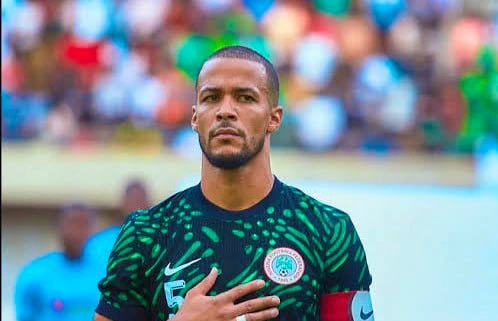
Players face late flights, unpaid bonuses, chaotic camps swarmed by social media creators, and no consistent friendlies to sharpen their edge. Yet the NFF finds it convenient to target William Troost-Ekong, AFCON 2024’s player of the tournament, and striker Cyriel Dessers, who battles in a team devoid of creativity. This is not leadership—it is cowardice.
Former captain John Obi Mikel’s call to disband the NFF board resonates with millions of frustrated fans. But a knee-jerk purge alone is not enough. Nigerian football needs radical, transparent reform:
Administrative Overhaul: Hire technocrats based on merit, not political patronage. Demand financial transparency and enforce accountability.
Grassroots & Youth Revival: Resurrect youth competitions like the old Shell Cup, strengthen scouting networks at home and abroad, and rebuild the Nigeria Premier Football League to feed the national team.
Clear Football Philosophy: Re-establish a national playing style taught from the U-17s up to the Super Eagles.
Professional Super Eagles Management: Secure a visionary coach with a long-term plan, guarantee timely payments, maintain top-class logistics, and market the brand to attract sustainable sponsorship.
The dream of reaching the 2026 World Cup may already be gone, but the bigger tragedy will be if nothing changes. The true “own goal” isn’t Troost-Ekong’s deflection or Dessers’ missed chance—it’s the NFF’s chronic failure to govern. Until Nigerian football is rebuilt from its rotten foundation, the nation’s most beloved team will keep breaking hearts.



0 Comments