
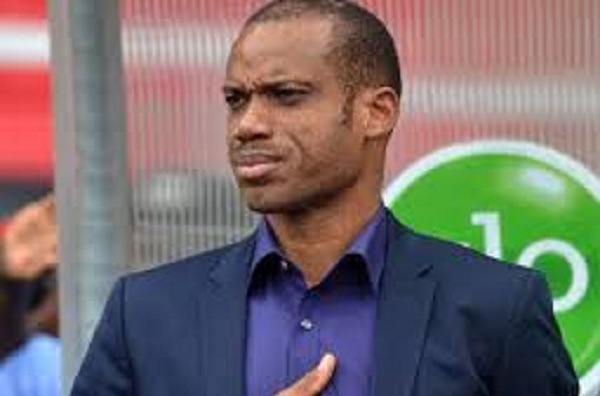
Former Super Eagles captain and ex-head coach Sunday Oliseh has stirred debate following Nigeria’s semi-final defeat to hosts Morocco at AFCON 2025, blaming the loss on what he described as a breakdown in team spirit involving Victor Osimhen and Ademola Lookman.
According to Oliseh, the supposed problem began earlier in the tournament during Nigeria’s Round of 16 victory over Mozambique, which the Super Eagles won 4–0. He claimed Osimhen, despite the comfortable scoreline, berated teammates for not passing to him, allegedly disrupting harmony within the squad. Some observers interpreted the incident as frustration driven by Osimhen’s desire to complete a hat-trick after already scoring twice.
However, that narrative has been widely challenged. Osimhen’s track record suggests anything but selfishness. His unselfish assist to Akor Adams against Algeria—when he could easily have gone for personal glory—stands as clear evidence of a striker who prioritizes team success above individual milestones.
Osimhen is a relentless competitor who demands excellence, but his commitment to collective effort has rarely been in doubt.
The suggestion that Osimhen “killed” team spirit also appears overstated, especially considering Nigeria’s fluent, attacking display against Algeria immediately after the Mozambique game. Far from looking fractured, the Super Eagles played with confidence and cohesion, dismantling their opponents with ease.
Ademola Lookman, on the other hand, continues to earn admiration for his calm demeanor and professionalism, even under intense pressure and provocation.
The ability of head coach Eric Chelle—often underappreciated—to manage contrasting personalities like Osimhen’s fiery intensity and Lookman’s composed elegance was one of Nigeria’s quiet strengths throughout the tournament.
Oliseh’s public lecturing on discipline has also raised eyebrows, given his own history. As gifted and articulate as he was, his playing career was marked by frequent clashes with teammates and officials.
Those issues contributed to his exclusion from the Korea/Japan 2002 World Cup squad, despite Nigeria securing a bronze medal at the Mali AFCON that same year.
His coaching stint followed a similar pattern. Tasked with rebuilding the Super Eagles after the late Stephen Keshi, Oliseh instead presided over a turbulent period defined by rigid rules and strained relationships. His fallout with then-captain Vincent Enyeama—one of Nigeria’s greatest goalkeepers—culminated in Enyeama’s exit from the national team. Oliseh’s abrupt resignation soon after only deepened criticism of his leadership.
Given that history, Oliseh’s criticism of Osimhen has been dismissed by many as selective memory and cheap punditry. In a football culture often short on institutional recall, such comments can gain traction—but facts remain stubborn.
A former captain once sidelined over indiscipline is in a weak position to sermonize on humility and team spirit. In the end, Oliseh’s remarks may say more about his unresolved past than about Victor Osimhen’s present.




0 Comments