by Emmanuel Atanga | Jan 10, 2026 | AFCON, Africa, Nigeria, Soccer
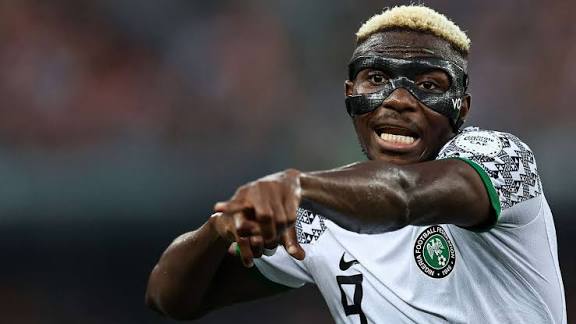
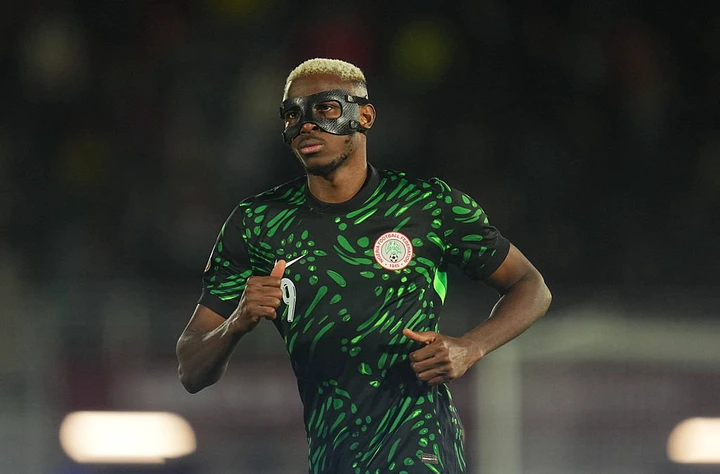
Victor Osimhen broke the deadlock in the 47th minute to hand Nigeria a crucial lead as the contest unfolded. Moments later, Adams A. doubled the advantage with a well-taken second goal, underlining Nigeria’s dominance and giving them a lead they truly deserve. However, with the final whistle yet to sound, the match remains alive and anything can still happen.
by Emmanuel Atanga | Jan 10, 2026 | Uncategorized
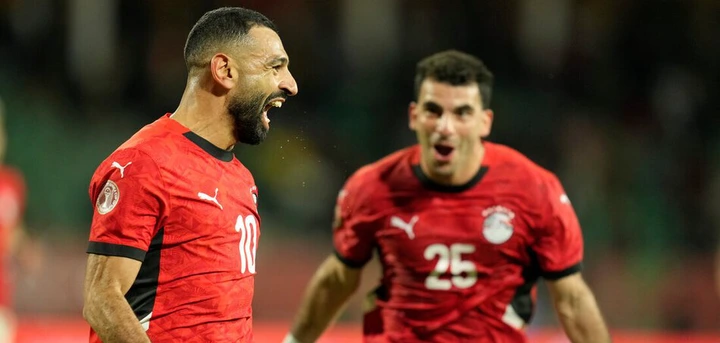
While football traditionally slows down at the turn of the year in many countries, Morocco has been living and breathing the game since mid-December as it hosts the 2025 Africa Cup of Nations. This Friday, the tournament reaches the quarter-final stage, with the continent’s heavyweights still firmly in the hunt.
Officially known as the Coupe d’Afrique des Nations, AFCON is usually staged every two years and brings together 24 nations. After the first knockout round, familiar powers such as defending champions Côte d’Ivoire, record winners Egypt and the host nation remain in contention. For Morocco, the tournament is more than football — it is a prestige project and a major rehearsal for the 2030 FIFA World Cup, which the kingdom will co-host with Spain and Portugal.
Not all traditional forces survived. South Africa exited early, while Mali staged one of the round-of-16’s most dramatic turnarounds. Against Tunisia, the Eagles looked destined for elimination before a late equaliser deep into stoppage time forced extra time. The North Africans, who had dominated possession and chances, eventually fell in a penalty shootout after Mali goalkeeper Djigui Diarra saved two spot-kicks. Former Stuttgart striker El Bilal Touré converted the decisive penalty to seal Mali’s place in the last eight.
The quarter-finals begin on Friday with Mali facing Senegal, a side that has impressed with its fighting spirit, dropping points only once — a 1–1 draw against DR Congo in the group stage. Later that evening, hosts Morocco meet Cameroon, who edged South Africa 2–1 in the Round of 16.
Morocco’s path, however, has not been without controversy. Despite the presence of stars like Paris Saint-Germain full-back Achraf Hakimi, the Atlas Lions endured an inconsistent group stage. Their Round of 16 win over Tanzania was overshadowed by a contentious refereeing decision, when Malian referee Boubou Traoré failed to award a penalty after defender Adam Masina brought down Iddy Nado in the box — a call that was not even reviewed by VAR and sparked accusations of bias.
Saturday’s fixtures feature Algeria versus Nigeria — the only team to have won all their matches so far — and a heavyweight clash between Egypt and Côte d’Ivoire. Algeria needed a moment of brilliance in extra time to overcome DR Congo, with substitute Adil Boulbina scoring a stunning late winner. Côte d’Ivoire, meanwhile, have been among the tournament’s most convincing teams, their only setback a 1–1 group-stage draw with Cameroon, before comfortably dispatching Burkina Faso 3–0 in the Round of 16.
That match carried an unsettling backdrop. Reports of an attempted coup in Burkina Faso’s capital, Ouagadougou, surfaced before kick-off, followed by claims that an assassination attempt on President Ibrahim Traoré had been foiled. Allegations soon emerged suggesting foreign involvement, with Côte d’Ivoire — a close ally of France — drawn into the narrative, adding a layer of political tension to the football.
Politics has loomed large over AFCON 2025. Morocco has spared no expense in presenting a grand spectacle, despite the flagship Grand Stade Hassan II in Casablanca — planned to be the world’s largest stadium — not being completed in time. Other venues were newly built or refurbished, reflecting the country’s desire for global recognition. Yet criticism has been fierce, with domestic protests demanding better investment in healthcare and education rather than lavish sporting events. The “Gen Z 212” movement even called for a boycott, a move reportedly met with harsh repression.
Attendance during the group stage was unusually low for a tournament renowned for its atmosphere, with reports suggesting free tickets were later distributed to fill the stands. Nationalist demonstrations, particularly against Algeria, also drew attention, while controversial pre-match entertainment — including belly dancers used to provoke opposition fans — circulated widely online.
Questions over refereeing decisions have further fuelled conspiracy theories. Morocco have benefited from several disputed calls, including questionable penalties and missed fouls, leading to claims of manipulation — from match officiating to even the group-stage draw. Online, AFCON 2025 is already being labelled by some as the most controversial edition yet.
Sceptics, however, might shrug and say: welcome to football politics — FIFA-style.
by Emmanuel Atanga | Jan 10, 2026 | AFCON, Africa, Soccer
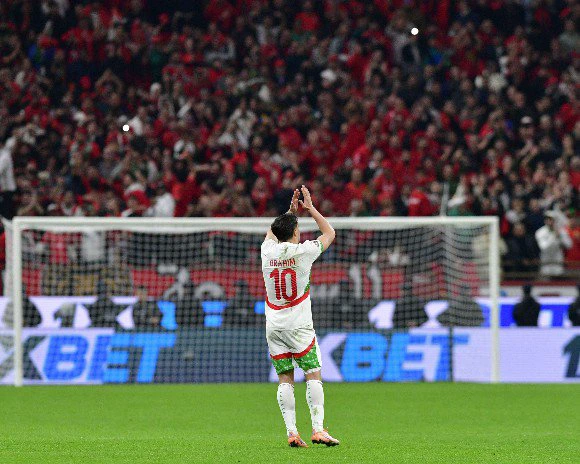
Morocco star Brahim Díaz has etched his name into Africa Cup of Nations history after becoming the first player ever to score in each of his first five matches at the tournament.
The 26-year-old continued his sensational form by opening the scoring in Morocco’s 2–0 quarter-final victory over Cameroon, reacting quickest to a corner to finish from close range in the 26th minute.
Díaz had already found the net in all three of Morocco’s Group A fixtures, scoring against Comoros, Mali and Zambia, before delivering a dramatic 86th-minute winner against Tanzania in the Round of 16.
Beyond his personal milestone, the Real Madrid winger also joined former Egypt forward Gedo as only the second player in AFCON history to score against five different nations in a single tournament. Gedo previously achieved the feat during Egypt’s triumphant 2010 campaign.
Since switching allegiance from Spain and making his debut for the Atlas Lions in March 2024, Díaz has enjoyed a prolific international run, scoring 13 goals in 20 appearances for Morocco.
His record-breaking exploits continue to fuel Morocco’s quest for continental glory at AFCON 2025.
by Emmanuel Atanga | Jan 10, 2026 | AFCON, Africa, Nigeria, Soccer
After a breathtaking group stage led by Nigeria’s Victor Osimhen and Morocco’s Brahim Díaz, Africa’s finest once again rose to the occasion in a thrilling Round of 16 at the 2025 Africa Cup of Nations.
North Africa continues to bask in footballing euphoria, with elite talents lighting up the tournament and setting the tone for a captivating knockout phase.
The Round of 16 kicked off in the coastal city of Tangier, where Senegal faced Sudan in a dramatic opener. The underdogs stunned the reigning champions early when Aamir Abdallah curled a stunning effort into the top corner within five minutes. Senegal responded through Pape Gueye, whose left-footed strike followed a moment of brilliance from Sadio Mané.
Despite seeing two goals ruled out, Les Lions de la Teranga eventually took control, with Gueye grabbing his second just before half-time. Substitute Ibrahim Mbaye sealed a 3–1 win in the 77th minute, calmly finishing another Mané assist.
Mali and Tunisia then delivered a tense encounter filled with late drama. Mali were reduced to ten men after Woyo Coulibaly’s red card in the 26th minute but showed immense resilience. Tunisia thought they had won it late on, only for Lassine Sinayoko to convert a last-gasp penalty and force extra time. The match went to a shootout, where El Bilal Touré struck the decisive penalty to send Tom Saintfiet’s Mali into the quarter-finals.
Tournament hosts Morocco maintained their momentum with a narrow win over a stubborn Tanzanian side. Real Madrid star Brahim Díaz scored the only goal of the match, continuing a historic tournament by becoming the first Moroccan player to score four goals at a single AFCON.
Sunday’s action continued with an entertaining clash between South Africa and Cameroon. Bafana Bafana created several chances but were punished for their wastefulness as Cameroon struck in the 34th minute and again shortly after the break. A late tap-in from Evidence Makgopa gave South Africa hope in the 88th minute, but the equaliser never arrived.
Seven-time champions Egypt were made to work hard by a spirited Benin side on Monday. With the scores level at 1–1, Egypt avoided penalties thanks to defender Yasser Ibrahim’s looping header in extra time, before Mohamed Salah sealed the win. The goal marked Salah’s 10th in AFCON history.
Nigeria, runners-up at the last tournament, continued their flawless run with a commanding 4–0 victory over Mozambique. Victor Osimhen led the charge with a brace as the Super Eagles remained the only team with a perfect record.
The Round of 16 concluded on Tuesday with Algeria and reigning champions Côte d’Ivoire completing the quarter-final lineup. DR Congo frustrated Algeria throughout regulation time but eventually succumbed in extra time, when Adil Boulbina produced one of the goals of the tournament with a stunning late strike from the edge of the box.
With the final eight now confirmed, the stage is set for even more drama. African football is in full flow—showcasing not just extraordinary talent, but the tactical maturity and intensity that make AFCON one of the world’s most compelling tournaments.
by Emmanuel Atanga | Jan 10, 2026 | AFCON, Africa, Soccer
Brahim Díaz continued his remarkable form at the 2025 Africa Cup of Nations, scoring for a fifth consecutive match as host nation Morocco defeated Cameroon 2–0 to book a place in the semi-finals and remain on track for a first continental title in 50 years.
The Real Madrid midfielder once again proved decisive, extending his own national record for the most goals by a Moroccan player at a single AFCON tournament. His opener came via a set piece, reacting quickest after Achraf Hakimi’s corner was flicked on by Ayoub El Kaabi to bundle the ball home from close range.
Despite the scoreline, Morocco were more efficient than dominant. Walid Regragui’s side created few clear chances from open play but made the most of their opportunities, registering just three shots on target and converting two of them.
Ismael Saibari sealed the victory later in the second half, capping a disciplined and well-organised performance that kept Morocco’s title dream firmly alive.
However, the match was overshadowed by controversy, with Cameroon left furious over several refereeing decisions. The main flashpoint came in the second half when Bryan Mbeumo appeared to be fouled inside the penalty area. The referee waved play on, sparking immediate outrage from Cameroonian players and officials, who felt key calls consistently favoured the hosts.
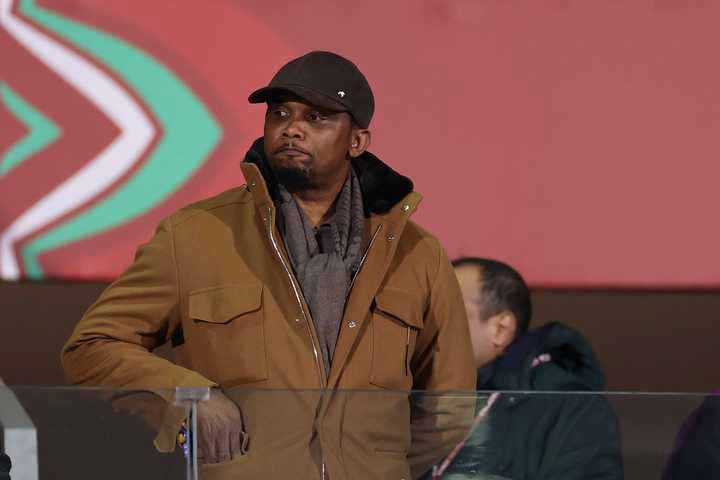
Frustrations boiled over in the VIP section of the stadium, where Cameroonian Football Federation president Samuel Eto’o confronted CAF president Patrice Motsepe following the disputed penalty appeal.
Eto’o was visibly angry, jumping from his seat and remonstrating despite attempts to calm him down.
The tension surrounding the officiating was heightened by events before kick-off.
Less than 24 hours prior to the match, Mauritanian referee Dahane Beida was appointed to replace an Egyptian official after concerns were raised by the Moroccan federation over the presence of an Algerian referee on the VAR team.
As a result, Beida’s decisions were placed under intense scrutiny throughout the contest, with the Cameroonian bench repeatedly protesting calls against them.
While Morocco celebrated their progression to the last four, the fallout from the controversial quarter-final is expected to linger long after the final whistle.