by Emmanuel Atanga | Mar 29, 2026 | AFCON, Africa, Ghana, Nigeria, Soccer
The Africa Cup of Nations is set for a historic transformation following an announcement by Patrice Motsepe to expand the competition to 28 teams.
Under the new structure, the tournament will feature seven groups consisting of four teams each. This significant बदलाव is aimed at widening participation and accelerating football development across the African continent.
Motsepe emphasized that the expansion reflects a broader vision to give more nations the chance to compete at the highest level, while also strengthening the quality and reach of African football.
However, the decision brings increased responsibility for the designated co-hosts—Kenya, Uganda, and Tanzania—who must now intensify preparations ahead of the tournament.
Each host nation will be required to provide a minimum of two CAF-approved stadiums, raising the urgency for infrastructure development, renovations, and efficient logistical planning.
Recent editions underline the scale of organization required. Ivory Coast successfully hosted the 2023 tournament with six stadiums, while Morocco is preparing nine venues for the 2025 edition.
While CAF views the expansion as a step toward greater inclusivity and competitiveness, it also places added pressure on host nations to meet high standards and deliver a seamless and successful tournament.
by Emmanuel Atanga | Mar 29, 2026 | AFCON, Africa, Soccer
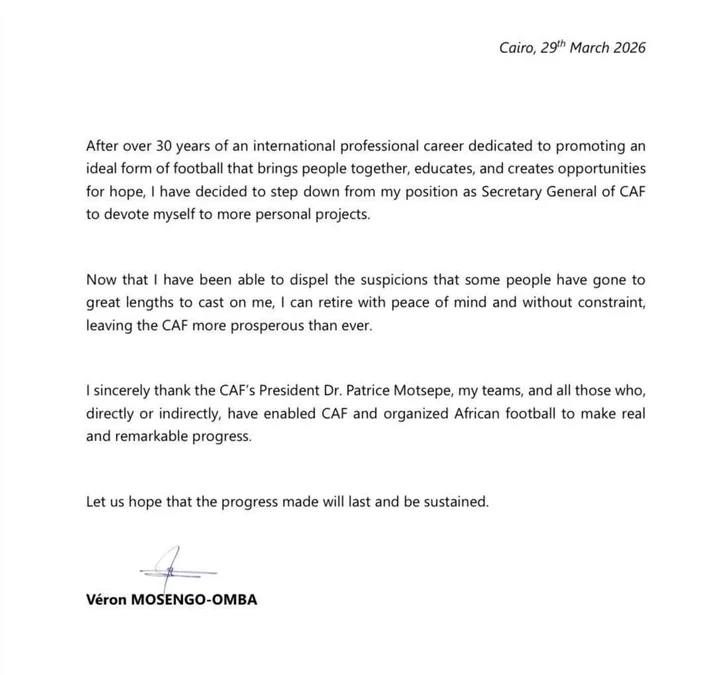
The Confederation of African Football has announced the resignation of its long-serving General Secretary, Véron Mosengo-Omba, bringing an end to a notable chapter in African football administration.
The DR Congo-born official, who assumed office in March 2021, confirmed his decision on Sunday through an official statement released in Cairo, where CAF’s Executive Committee is currently holding meetings. After dedicating more than three decades to football administration, Mosengo-Omba stated that he is stepping away to focus on personal pursuits, expressing a sense of peace and closure, especially as past allegations against him have been cleared.
His resignation follows mounting internal pressure within CAF. Having recently turned 66, he had exceeded the organization’s mandatory retirement age, while his contract extension had already lapsed in October 2025. This situation drew criticism from several Executive Committee members, some of whom questioned the legality of his continued stay in office.
Sources within the organization describe an increasingly tense atmosphere at the leadership level, which is believed to have influenced his decision to step down voluntarily rather than face a possible formal removal.
Mosengo-Omba’s departure signals a significant shift within CAF’s leadership structure. Early indications suggest that Samson Adamu of Nigeria is among the leading candidates to assume the role in an acting capacity as the body transitions.
His tenure at CAF was a mix of progress and controversy, including earlier financial misconduct allegations that were eventually dismissed by Swiss authorities. As CAF moves forward, this development marks the beginning of a new phase, with governance reforms and major continental competitions on the horizon.
by Emmanuel Atanga | Mar 28, 2026 | Africa, Europe, Ghana, International, Soccer, USA, World Cup
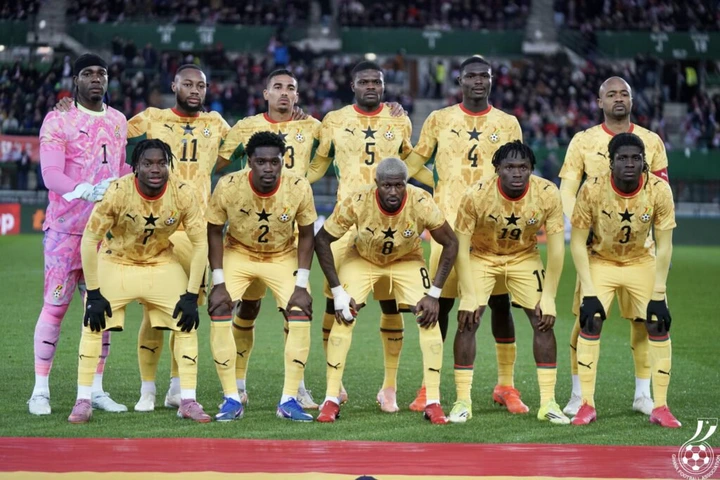
The Ghana national football team endured a difficult night in Vienna, suffering a 5–1 loss to Austria national football team in an international friendly that raised serious concerns ahead of the 2026 World Cup.
Head coach Otto Addo’s side showed some promise in the first half but completely fell apart after the break, conceding four goals. Here’s a reworked look at how each player performed:
In goal, Lawrence Ati-Zigi (4.5) delivered several impressive saves and was arguably one of Ghana’s better performers despite conceding five times, with little fault attributed to him.
Defensively, it was a night to forget. Caleb Yirenkyi (2) struggled badly out of position at right-back, directly contributing to a goal. Derrick Kohn (2.5) and Jonas Adjetey (2) also endured poor outings, with Adjetey conceding the early penalty. Alexander Djiku (3) failed to provide the leadership expected at the back as the defensive unit looked disjointed.
In midfield, Kwasi Sibo (3) struggled to shield the defense, while Thomas Partey (3.5) had a quiet game and couldn’t influence play as expected.
Going forward, Abdul Fatawu Issahaku (3) and Antoine Semenyo (3) failed to make meaningful impact, with both lacking sharpness in key moments. Prince Adu Kwabena (4) showed glimpses of promise but lacked the physical edge to capitalize.
Captain Jordan Ayew (5) emerged as Ghana’s top performer, scoring the team’s only goal. However, his overall link-up play and decision-making left room for improvement.
Among the substitutes, performances were largely underwhelming. Gideon Mensah (3), Jerome Opoku (2.5), and Marvin Senaya (2) all struggled, contributing to defensive lapses. Ibrahim Sulemana (3.5) provided the assist for Ayew’s goal, offering a small positive, while others had little influence.
Coach Addo (2) also came under scrutiny for his decisions, particularly delayed substitutions and multiple changes at once, which appeared to further disrupt the team’s rhythm.
Overall, it was a disappointing performance across the board, with only a few bright spots. The Black Stars will need significant improvement as they prepare for the challenges ahead.
by Emmanuel Atanga | Mar 28, 2026 | Africa, Europe, Ghana, International, Soccer, USA, World Cup
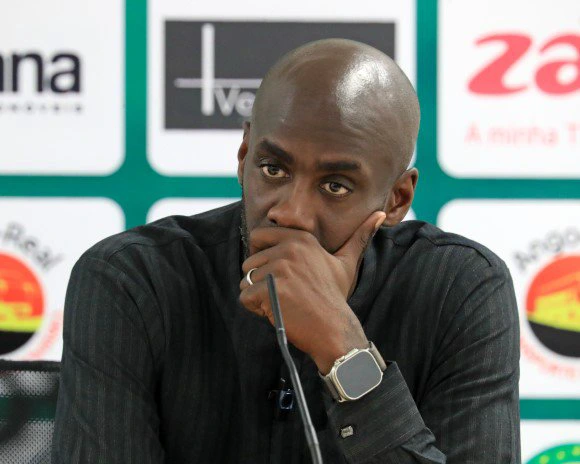
Head coach Otto Addo has described the Ghana national football team’s second-half performance as a “disaster” following their heavy 5–1 defeat to Austria national football team at the Ernst-Happel-Stadion.
Ghana fell behind early in the match when Marcel Sabitzer converted a penalty after a handball incident involving Jonas Adjetey. Despite the early setback, the Black Stars showed resilience in the first half, creating promising chances and even appealing for penalties that were ultimately not awarded.
However, the second half told a completely different story. Austria took full control, adding four more goals through Michael Gregoritsch, Stefan Posch, Carney Chukwuemeka, and Nicolas Seiwald to seal a dominant victory.
Jordan Ayew managed to pull one back in the 77th minute, but it proved to be only a consolation as Ghana struggled to regain control.
Speaking after the game, Addo acknowledged that his side had moments where they could have changed the outcome, especially in the first half. He suggested that Ghana might have deserved “one or two” penalties but accepted that such decisions are part of the game.
The coach pointed to a significant drop in intensity after the break as a key reason for the collapse. He stressed the need for his players to be more aggressive, alert, and better organized, particularly with the World Cup approaching.
Addo emphasized that while physicality is important, the team must focus on protecting themselves better and maintaining concentration throughout the full 90 minutes.
The defeat serves as a clear warning sign for the Black Stars, who will need to address their shortcomings quickly if they are to compete effectively on the global stage.
by Emmanuel Atanga | Mar 28, 2026 | Africa, Europe, Ghana, International, Soccer, USA, World Cup
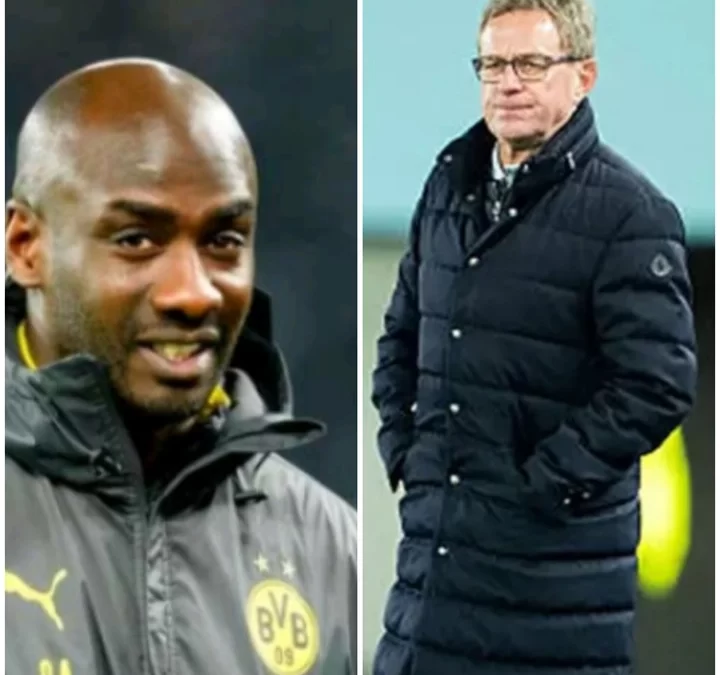
Comments attributed to experienced tactician Ralf Rangnick on Saturday, March 28, 2026, have sparked a more balanced conversation about the true impact of coaching on match outcomes—particularly in relation to the Ghana national football team.
Known for his analytical approach, Rangnick is believed to have taken a measured stance on Ghana’s recent struggles, urging observers not to place undue blame on head coach Otto Addo. His widely circulated remark—“Don’t be so emotional on Otto Addo. I don’t think if you had a different coach, the result would have been any different”—has added a new dimension to the ongoing debate.
The statement reflects a broader view that coaching alone is not always the defining factor in determining results, especially in the demanding environment of international football. Instead, it highlights the importance of considering multiple elements such as player preparedness, tactical discipline, team chemistry, and the strength of the opposition.
Analysts suggest that Rangnick’s perspective aligns with a growing belief that football outcomes are shaped by a combination of factors, particularly at the national team level where preparation time is limited and players must quickly adapt from different club systems into a unified structure.
His comments also reinforce the idea that reactions to poor results should go beyond immediate criticism of coaches. Rather, they call for a deeper evaluation of structural and strategic components, including player development systems and long-term planning.
The remarks have resonated with sections of the football community who feel that managers are often judged too harshly in high-pressure situations. By shifting attention away from individual blame, the conversation is gradually evolving into a more thoughtful and comprehensive analysis of performance.
While opinions remain divided, Rangnick’s intervention serves as a timely reminder: success and failure in football are rarely down to one person, but are instead the result of many interconnected factors working together.