by Emmanuel Atanga | Feb 26, 2025 | AFCON, Africa, Europe, Ghana, International, Soccer, World Cup
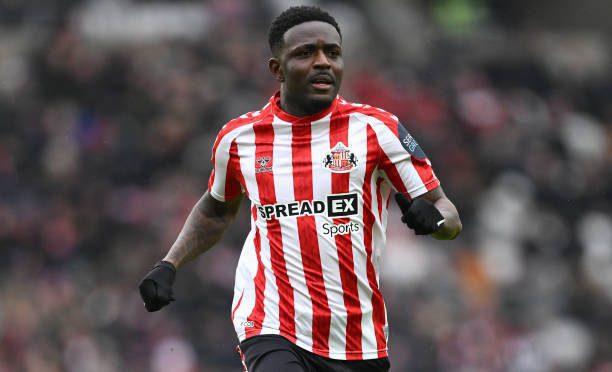
After a long and challenging road to recovery, Sunderland midfielder Salis Abdul Samed is set to make his long-awaited return to the Black Stars ahead of Ghana’s crucial FIFA World Cup qualifiers. The 24-year-old, currently on loan from RC Lens, last featured for the national team in June 2024, during Ghana’s thrilling 4-3 victory over the Central African Republic at the Baba Yara Sports Stadium.
Injuries sidelined Abdul Samed for most of last year, forcing him to miss the Africa Cup of Nations qualifiers—a setback many believe played a role in Ghana’s failure to reach AFCON 2025 in Morocco. However, the dynamic midfielder has regained full fitness and already made six appearances for Sunderland in the English Championship.
His return comes as a timely boost for Coach Otto Addo, who has been scouting Ghanaian players abroad in preparation for the upcoming World Cup qualifiers against Chad and Madagascar. The head coach is expected to announce his squad in the coming weeks, with Abdul Samed likely to be among those making the cut.
With his energy, composure, and experience, the midfield dynamo could play a key role in Ghana’s quest for a place at the 2026 FIFA World Cup.
by Emmanuel Atanga | Feb 26, 2025 | AFCON, Africa, Ghana, Soccer
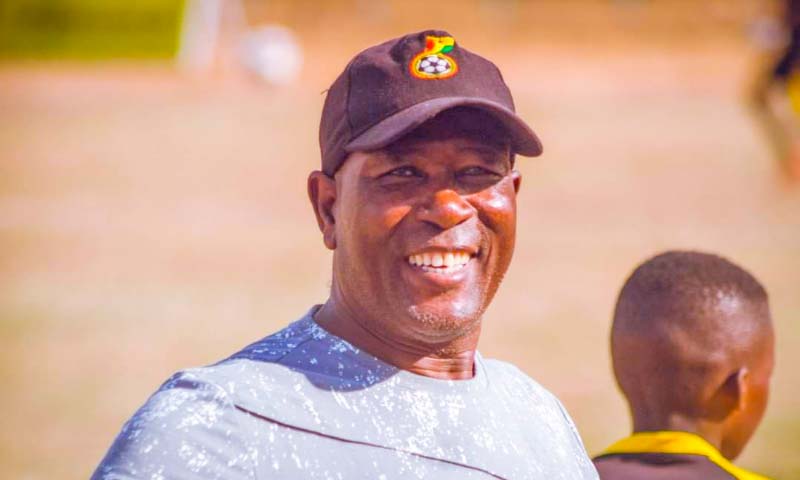
Karim Zito has seen it all. From the dugouts of local clubs to leading Ghana’s U-20 team to continental glory, the veteran coach has spent decades shaping the country’s football talent. But today, as he watches Ghanaian football struggle, he can’t help but ask—where did it all go wrong?
In the past, Ghanaian football followed a natural progression. Young players grew through the ranks, seamlessly transitioning from the U-17s to the U-20s and, eventually, to the senior Black Stars. But according to Zito, that system is now in shambles.
“In my time, there was continuity,” he reflects. “Now, we dismantle teams after every competition and start scouting from scratch. How can we expect growth when we keep starting over?”
The consequences have been severe. While the Black Queens have made their return to WAFCON, the men’s side is in crisis. Consecutive early exits at AFCON have been followed by a historic failure to qualify for the 2025 edition—the first time in 20 years that Ghana will miss the tournament.
Zito points to a lack of structure in player development as the root cause. The Black Satellites’ triumphant U-20 AFCON squad in 2021 should have been the foundation for the future. Instead, many of those players have yet to break into the senior team.
“That’s our biggest problem—there is no consistency,” he says with frustration. “If a player features for the U-17s, he should move up, not be discarded.”
As Ghana faces an uncertain footballing future, one thing is clear: without a long-term plan to bridge the gap between youth success and senior progression, the nation’s football dreams will continue to fade.
by Emmanuel Atanga | Feb 26, 2025 | AFCON, Africa, Ghana, Soccer
In a quiet moment of reflection, Karim Zito, the experienced coach of Dreams FC, sat down with Graphic Sports, his voice filled with both frustration and hope. The Black Stars, once a powerhouse in African football, had suffered another devastating blow—failing to qualify for the upcoming AFCON after finishing at the bottom of their group. For Zito, the issue wasn’t just about the players on the pitch but the very foundation of Ghanaian football.
“What is troubling the Black Stars? Why are we always searching for new players?” he asked, his words carrying the weight of years spent nurturing young talent.
For him, the answer was clear—Ghana’s football lacked a proper development structure. Unlike European nations, where young players follow a structured pathway to the senior national team, Ghana’s junior teams had stopped consistently producing top talent. Without a steady pipeline of homegrown stars, the Black Stars were forced to rely on last-minute scouting missions instead of nurturing their own.
Zito pointed to the golden generation led by Coach Sellas Tetteh, who guided Ghana’s U-20 team to FIFA World Cup glory in 2009. That squad, featuring players like Andre Ayew, Samuel Inkoom, and Jonathan Mensah, later formed the backbone of the senior team that reached the 2010 AFCON final and impressed at the FIFA World Cup in South Africa.
“How many of our current Black Stars players actually came through the junior ranks?” Zito questioned, his voice firm with conviction.
Beyond the footballing system, he also placed some responsibility on the media, criticizing the constant pressure for instant results rather than supporting long-term growth. In his view, success couldn’t be built overnight—it required patience, planning, and unwavering commitment.
As Ghanaian football faces a critical crossroads, Zito’s words serve as both a warning and a roadmap for the future. If the country hopes to restore its footballing dominance, the Ghana Football Association must prioritize youth development, ensuring a clear succession plan that can bring back the glory days of the Black Stars.
by Emmanuel Atanga | Feb 26, 2025 | AFCON, Africa, Ghana, Nigeria, Soccer
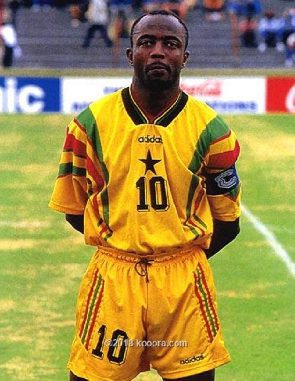
The Ghanaian maestro’s brilliance sealed the Super Eagles’ fate in the AFCON semi-finals.
Nigeria had high hopes in the 1992 Africa Cup of Nations, and when Adepoju Mutiu fired them into an early lead in the semi-final against Ghana, the dream of reaching the final felt within reach. But one man had other plans—Abedi Ayew Pele.
The Black Stars’ talisman turned the game on its head, leading Ghana’s comeback with a stunning equalizer just before halftime. His mesmerizing dribbles, vision, and sheer determination overwhelmed the Super Eagles. Early in the second half, his brilliance set up Prince Polley for the winner, sealing Ghana’s place in the final.
Reflecting on that fateful night, former Nigerian striker Samson Siasia admitted: “Abedi Pele single-handedly finished us in the 1992 AFCON semi-final.”
However, fate was unkind to Ghana in the final. Without their suspended leader, the Black Stars struggled against Ivory Coast, eventually losing in an agonizing 11-10 penalty shootout. Despite the heartbreak, Pele’s dominance was undeniable. He was named the tournament’s best player and later crowned the 1992 CAF Player of the Year.
The Ghanaian icon retired as a three-time African Footballer of the Year, a CAF Champions League winner, and an AFCON champion, forever etching his name in African football history.
by Emmanuel Atanga | Feb 26, 2025 | Africa, Ghana, Soccer
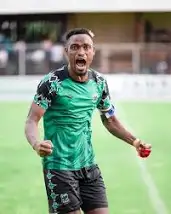
In a surprising turn of events, former FC Karela United, Asante Kotoko, and FC Samartex midfielder Emmanuel Keyekeh has officially switched his nationality from Ghana to Tanzania. This decision marks a new chapter in his football career, making him eligible to represent the Taifa Stars on the international stage.
Keyekeh, known for his midfield prowess and tactical intelligence, has taken this bold step in pursuit of fresh opportunities and a chance to contribute to Tanzanian football. His move has sparked discussions among fans, with many eager to see how he adapts to his new national team.
As he begins this journey, Tanzanian football enthusiasts will be keen to see how Keyekeh’s experience and skillset enhance their squad. Only time will tell how this switch will impact both the player and his new footballing home.