by Emmanuel Atanga | Jan 18, 2026 | AFCON, Africa, Soccer
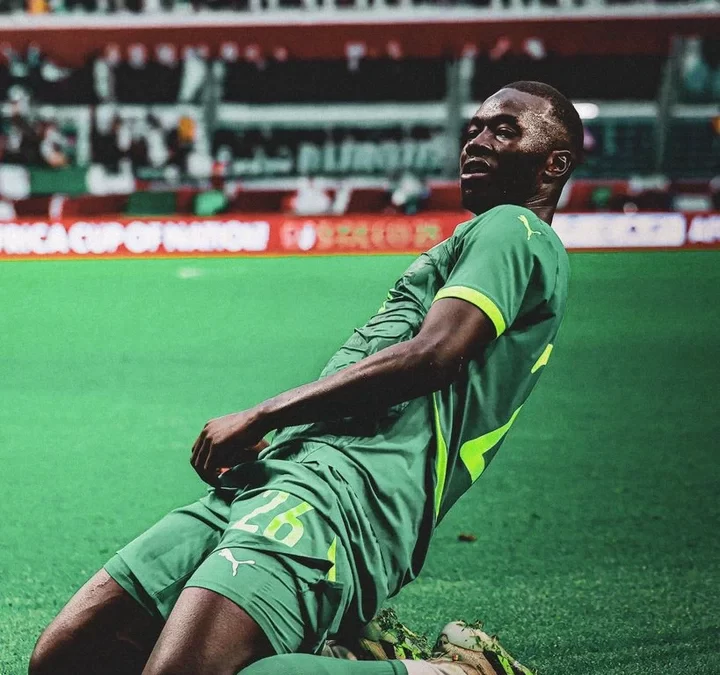
Senegal’s Pape Gueye has etched his name into African football history after scoring a dramatic goal in the Africa Cup of Nations 2025 final, putting the Lions of Teranga ahead during the first half of extra time.
His strike came with the second period of extra time still to be played, but its significance is already monumental.
Gueye became the first player to score in extra time of an AFCON final since Ndaye Mulamba (DR Congo) and Brighton Sinyangwe (Zambia) on March 12, 1974, ending a 51-year gap.
The goal marked Senegal’s 100th in AFCON history, a symbolic milestone on the tournament’s biggest stage. Even more notably, it was Senegal’s first-ever goal in an AFCON final, finally overcoming a long-standing barrier for the team after years of near misses.
With one half of extra time still to be played, the tension remains high, but regardless of the final result, Pape Gueye’s strike has already secured his place in Senegalese and African football history, bridging generations and rewriting the nation’s AFCON narrative.
by Emmanuel Atanga | Jan 18, 2026 | AFCON, Africa, Soccer
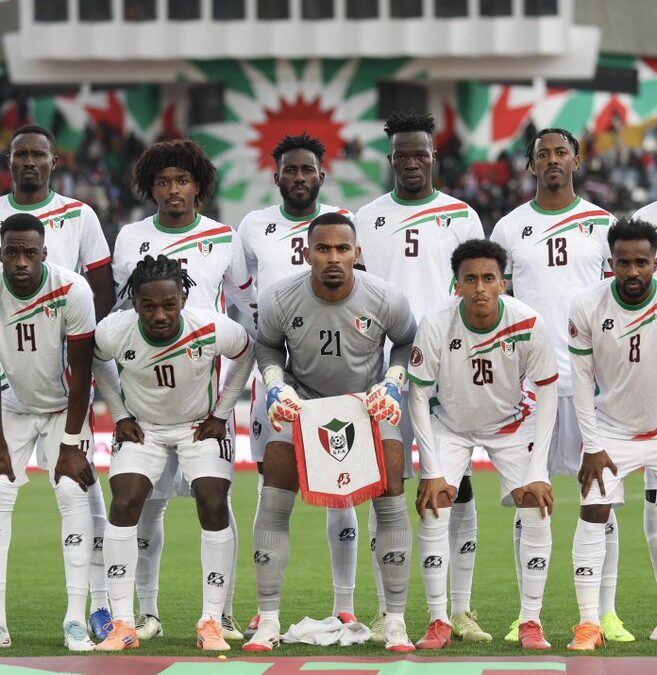
Ghanaian coach James Kwesi Appiah has etched his name into Africa Cup of Nations history after guiding Sudan to an impressive campaign at AFCON 2025 in Morocco.
Although Sudan’s journey ended in the Round of 16 following a 3–1 defeat to eventual finalists Senegal at Tangier Grand Stadium on January 3, the result did little to overshadow Appiah’s remarkable achievement.
Facing one of Africa’s strongest sides, Sudan displayed courage and organisation, even taking the lead in the sixth minute through Aamir Abdallah, briefly igniting hopes of an upset. Senegal responded with composure, with Pape Gueye scoring twice and Ibrahim Mbaye adding a late goal to secure victory.
Historic Milestone for Appiah
Sudan’s earlier 1–0 group-stage win over Equatorial Guinea secured Appiah a unique place in African football history. He became the first Ghanaian manager to win AFCON matches with two different national teams, having previously achieved success with the Black Stars, including a semi-final run in 2013 and knockout stage progression in 2019.
Achieving such results with Sudan—a nation facing civil unrest and limited football infrastructure—underscores Appiah’s tactical acumen, adaptability, and leadership. Sudan advanced to the Round of 16 as one of the best third-placed teams, highlighting their discipline, resilience, and collective belief under his guidance.
Earlier reports noted that Sudan’s victory marked their first AFCON group-stage win in 13 years, further cementing Appiah’s legacy and earning widespread praise for his strategic brilliance.
As attention now shifts to the AFCON 2025 final between Morocco and Senegal in Rabat on Sunday, January 18, Appiah’s achievements with Sudan stand as one of the tournament’s most inspiring stories.
by Emmanuel Atanga | Jan 18, 2026 | AFCON, Africa, Soccer
The Confederation of African Football (CAF) has addressed concerns raised by Senegal over logistical arrangements ahead of Sunday’s Africa Cup of Nations final against host nation Morocco.
Senegal had declined to train at the Mohammed VI Football Complex, expressing fears that their training sessions could be monitored by the hosts.
Following discussions, CAF confirmed that the issue has been resolved, with Senegal granted the option to choose an alternative team hotel as they finalise preparations for the final.
The resolution ensures the Teranga Lions can prepare under fair and comfortable conditions, eliminating a potential psychological distraction in the build-up to the continent’s showpiece match. It also underlines CAF’s role as a mediator in pre-match disputes, safeguarding competitive integrity and tournament fairness.
The episode highlights the heightened tension that often surrounds major finals, particularly when a host nation is involved, and the delicate balance between home advantage and equitable treatment for all competing teams.
With the logistical matter settled, focus now shifts entirely to the pitch, where Senegal and Morocco will battle for the AFCON 2025 title.
by Emmanuel Atanga | Jan 18, 2026 | Africa, Ghana, International, Soccer, World Cup
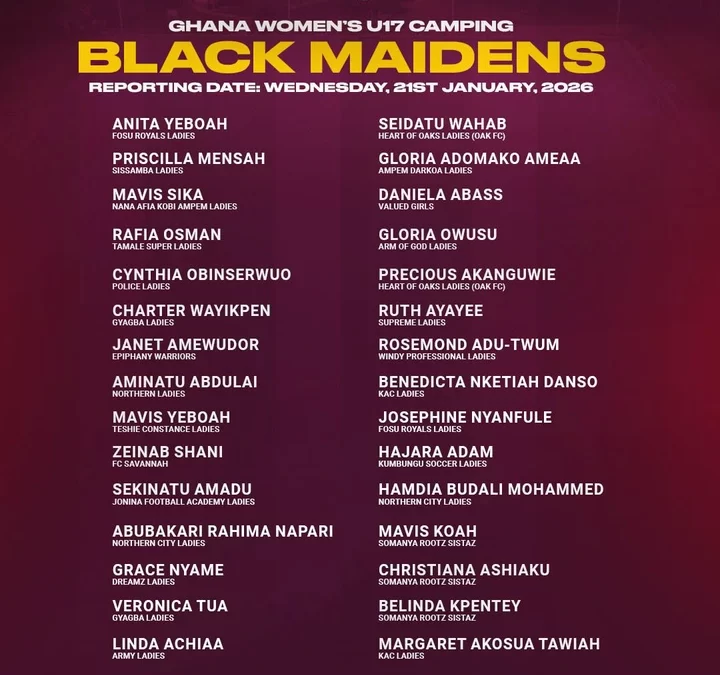
Ghana’s U17 women’s national team, the Black Maidens, will return to camp on Wednesday, January 21, at the Ghanaman Soccer Centre of Excellence in Prampram as preparations continue for upcoming international assignments.
Players and members of the technical team are expected to report by 6:00 pm, officially ushering in the next phase of training following the initial call-up announced late last year.
The camping period will assemble some of the country’s most exciting young talents, selected from clubs and academies nationwide, as the team sharpens its focus on future competitions.
Head coach Joe Nana Adarkwa, together with his technical staff, will use the camp to evaluate player fitness levels, refine tactical concepts and build stronger team cohesion as preparations intensify for the FIFA U17 Women’s World Cup qualifiers.
The resumption of camping highlights Ghana’s continued commitment to youth development and the preservation of its proud legacy in women’s football at the junior level. Further details regarding training sessions and possible friendly matches are expected to be communicated in the coming days.
by Emmanuel Atanga | Jan 18, 2026 | Africa, Europe, International, Nigeria, Soccer
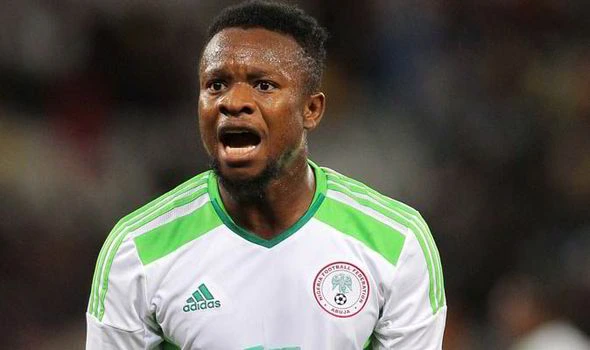
Former Super Eagles midfielder Ogenyi Onazi has claimed that ex-Nigeria captain John Mikel Obi wielded significant influence within the national team during his playing days, allegedly to the extent that some players missed out on international invitations.
Speaking on the Home Turf podcast, Onazi alleged that Mikel’s stature in the squad impacted selection decisions, naming Tony Nwakaeme as one of the players who he believes was affected. Nwakaeme, who went on to enjoy a successful club career, earned just one cap for Nigeria during that period.
“Mikel was too influential when he was in the Super Eagles,” Onazi said. “When he was playing, there were some players who, because of his influence, did not get invited into the national team.” He specifically referenced Nwakaeme as an example.
Onazi further revealed that Mikel later apologised to Nwakaeme during a meeting at a restaurant in Istanbul, suggesting the incident was not isolated.
Despite the allegations, the former Lazio midfielder spoke warmly about Mikel’s impact on his own career, describing the former Chelsea star as a major source of inspiration within the squad.
According to Onazi, Mikel frequently returned from England with football boots, jerseys and even financial support, which he shared among teammates. Onazi described himself as one of the beneficiaries, calling it a privilege to have played alongside the former Premier League winner.
“Mikel was a big player. He inspired us a lot,” Onazi said. “When Chelsea and Manchester United were fighting for his signature, it made me believe that if someone I saw every day could reach that level, then I could also make it. Whenever he came back from Chelsea, he brought boots, jerseys and even shared money with some of us. I benefited from that, and it was a privilege to play with him.”
Onazi also addressed moments of disagreement on the pitch, noting that while clashes did occur, respect was never lost.
“There were times we disagreed during games. He would ask for the ball even when other players were free. But after matches, I always went to apologise because he was my senior. That never changed our relationship. I was always his boy,” he added.
The relationship later extended beyond the national team, with Onazi, Mikel and Nwakaeme all reuniting at Trabzonspor in 2019. Speaking to The Punch at the time, Onazi revealed that he played a key role in persuading the club to sign Mikel.
“The club president asked me about Mikel, and I told them everything they needed to know about how good he could be for the team,” Onazi said. “I pushed them to sign him at any cost because I knew what he would bring. I did the same when Anthony Nwakaeme was on the club’s radar. I also helped convince Mikel to choose Trabzonspor ahead of other Turkish clubs.”