
by Silas Boahene | Feb 9, 2024 | AFCON, Africa, Europe, International, Soccer
Simon Adingra’s life story is one of resilience and determination, as he recounts the challenges he faced on his path to becoming a professional footballer. Playing in the streets of Ivory Coast as a child, Adingra’s passion for football was ignited by the success stories of role models like Didier Drogba.
At a young age, an acquaintance suggested he join a training center in Abidjan. However, this marked the beginning of a challenging chapter when a supposed coach deceived Adingra and nine other young Ivorians, taking 300 euros from them with promises of a football academy in Benin. The reality was starkly different; there was no academy, no accommodation, and they were left stranded without resources.
Undeterred, the group of youngsters faced two choices: return to Ivory Coast or persevere in the hope of a better opportunity. Choosing the latter, they took odd jobs, including washing plates in restaurants to survive. A chance encounter with a compatriot in Benin led to a turning point. Outraged by their plight, he assisted in finding them a new home and proposed creating a small football academy.
Over time, the academy in Benin flourished, thanks to the dedication of Adingra and his peers. A pivotal moment occurred during a tournament in Accra, Ghana, where Adingra’s outstanding performances caught the attention of recruiters from the ‘Right To Dream’ Academy. This opportunity led to a two-week test at the renowned training center, where he faced initial challenges due to language barriers.
Despite the obstacles, Adingra spent two years at the ‘Right To Dream’ Academy, rubbing shoulders with talented players like Kamaldeen Sulemana (currently with Southampton) and Mohamed Kudus (Ajax, now at West Ham). Adingra’s journey from the deceptive promises in Benin to a professional football career serves as an inspiring tale of triumph over adversity.
by Silas Boahene | Feb 9, 2024 | Africa, Athletics, Ghana, International, Nigeria, Other Sports, Soccer
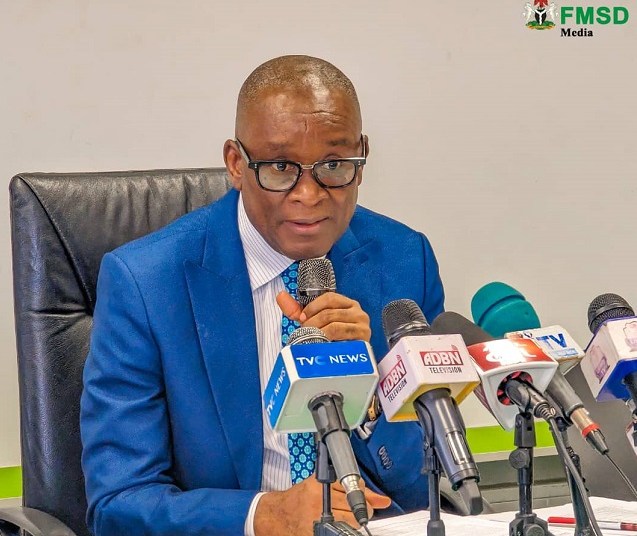
As the countdown to the 2024 African Games in Accra, Ghana, accelerates, Team Nigeria is set to commence preparations on February 15, 2024, with training camps established in five states across the Federation. Senator John Owan, the Minister of Sports Development, outlined key priorities and concerns during a meeting with presidents of various sports federations on Monday.
Nigeria’s participation in the Games will encompass 25 sports, including eight serving as Olympic qualifiers such as athletics, badminton, cycling, swimming, table tennis, triathlon, and wrestling. Additionally, the contingent will compete in 15 non-Olympic qualifying sports, featuring intriguing disciplines like arm wrestling, basketball (3×3), beach volleyball, chess, cricket, football, and handball. Furthermore, Nigerian athletes will demonstrate their prowess in two sports: mixed martial arts and scrabble.
During the meeting, Senator Enoh urged federation presidents to aim for a superior performance compared to the previous African Games in Morocco, emphasizing the responsibility of upholding the nation’s flag and bringing pride to the people.
Camping sites have been strategically designated across Abuja, Lagos, Ibadan, Gombe, and Bayelsa. Each location is tailored to accommodate specific sports, with Abuja hosting a diverse range, including athletics, football, and swimming. Lagos, Ibadan, Bayelsa, and Gombe will cater to other sports like beach volleyball, chess, wrestling, and cycling.
Nigeria, with a rich history of success, remains the second most accomplished nation in the Games, having secured a total of 1326 medals across 12 editions held every four years. The upcoming event offers an opportunity for Team Nigeria to further enhance its legacy on the African sporting stage.
by Silas Boahene | Feb 9, 2024 | AFCON, Africa, Europe, Ghana, International, Soccer, USA
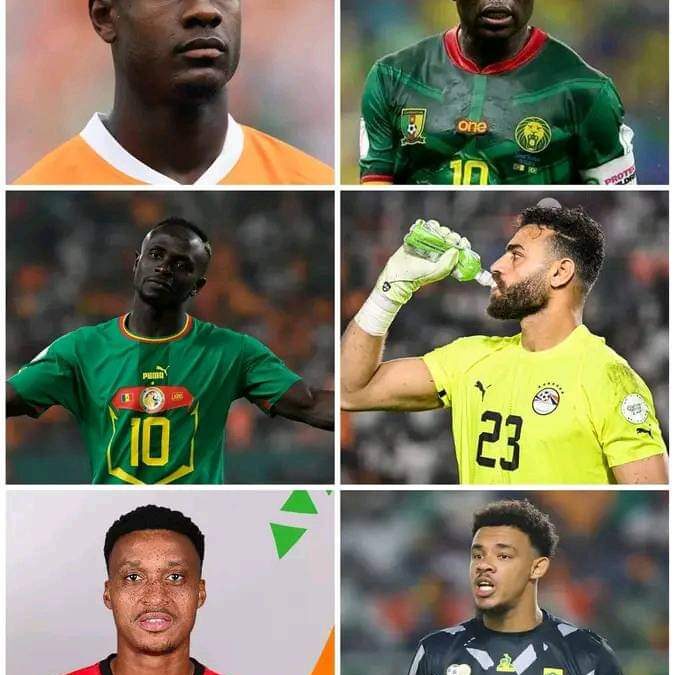
Analyzing the diverse player pool of the AFCON tournament, a breakdown of the 629 participants unveils a predominant 60% from Europe, while 26% showcase their talents in Africa, and 12% hail from Asia. Notably, a minimal 1% of players jointly represent the Americas and Oceania.
League-wise Player Distribution:
- Ligue 1 (French League): Notable with a significant 90 players.
- English Premier League: Strong representation with 50 players.
- La Liga: Contributing 30 players from the Spanish league.
- Bundesliga and Serie A: Both leagues featuring 20 players each.
- Saudi Pro League: An impressive presence of 75 players from the Saudi Arabian league.
African Representation: Within the African contingent, 39 players from South Africa, 19 from Tanzania, and 19 from Egypt are actively participating in their domestic leagues. Additionally, there are 4 players from the Moroccan league and 11 players from the Tunisian league, contributing to the rich diversity within the African player pool.
This comprehensive overview provides insights into the continental origins of AFCON players, highlighting the dominance of European participants, the significant representation from Africa, and the limited presence from the Americas and Oceania.
by Silas Boahene | Feb 9, 2024 | Africa, Europe, International, Soccer, USA, World Cup
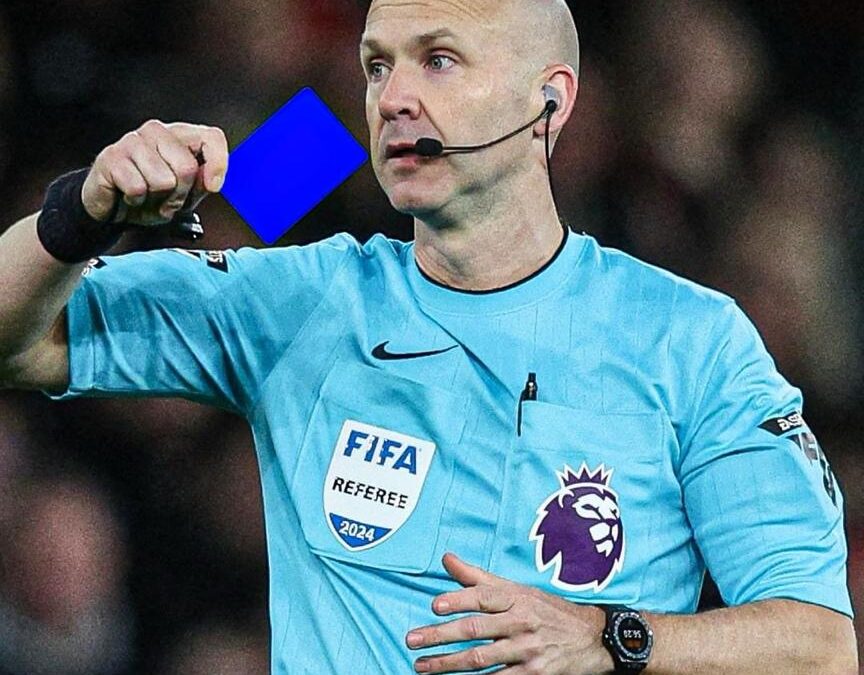
In a groundbreaking move set to shake up professional football, the International Football Association Board is poised to unveil the introduction of a blue card as part of sin-bin trials. This marks the first addition to the traditional yellow and red cards in half a century. Players committing cynical fouls or displaying dissent toward match officials will now face a 10-minute suspension, adding a new dimension to dismissals. Elite trials, excluding top-tier competitions, may commence this summer, with the FA Cup and Women’s FA Cup potentially serving as testing grounds for the innovative approach.
Understanding the Blue Card: Referees will now wield the power to brandish blue cards for fouls impeding threatening attacks or dissent towards match officials. If a player accumulates two blue cards in a game or a combination of a blue and a yellow, they will be sent off. This move is the first of its kind since the adoption of red and yellow cards at the 1970 World Cup. Initial trials will not be conducted in top-tier matches, with the FA Cup and Women’s FA Cup games being considered for testing in the upcoming season.
Previous Blue Card Trials: Wales has already experimented with blue cards in grassroots football this season as part of a sin-bin trial, choosing the color to clearly differentiate it from yellow or red cards. Similarly, Portugal has embraced new measures, including the introduction of a white card to acknowledge sportsmanship. FIFA referees’ chief Pierluigi Collina expressed support for sin bins, emphasizing the success observed in grassroots competitions. The idea garnered interest from the Football Association, particularly in addressing dissent, a challenge successfully tackled in the grassroots game in England.
Mixed Reactions: While Mark Bullingham, the chief executive of the Football Association, confirmed their interest in sin bins, UEFA president Aleksander Ceferin voiced opposition. Consequently, sin-bins will not be implemented in this summer’s European Championship or next season’s Champions League.
This revolutionary step reflects the sport’s commitment to refining disciplinary measures and promises to reshape the dynamics of professional football.
by Silas Boahene | Feb 9, 2024 | AFCON, Africa, International, Nigeria, Soccer
Bright Osayi-Samuel has acknowledged his admiration for South Africa’s performance despite Nigeria’s victory in the semifinal of the 2023 Africa Cup of Nations. The Super Eagles secured their place in the AFCON final after a penalty shootout, with Kelechi Iheanacho’s decisive kick.
Osayi-Samuel, benefiting from Zaidu Sanusi’s absence due to injury, was deployed as a right wing-back with Ola Aina covering for the injured Fenerbahce defender. The Blackpool Academy product highlighted the strong camaraderie within the South Africa team, with ten Mamelodi Sundowns players named in the squad.
Speaking to reporters after the game, Osayi-Samuel praised South Africa’s cohesive play, emphasizing the chemistry among their players. He commended Nigeria’s resilience and teamwork, crediting the execution of their game plan.
Expressing his joy at reaching his first major final with the Super Eagles, Osayi-Samuel emphasized the team’s readiness for the upcoming championship match. He highlighted the squad’s growth throughout the tournament, particularly in defense, and expressed confidence in the team’s ability to score.
Despite being a relatively new addition to the Super Eagles, Osayi-Samuel conveyed his excitement about the team’s progress and emphasized their determination to secure victory in the final.