by Silas Boahene | Aug 14, 2024 | Africa, Athletics, Basketball, Boxing, Europe, Ghana, International, Nigeria, Other Sports, Soccer
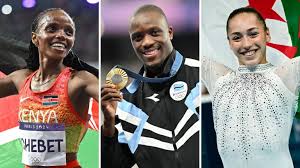
The 2024 Paris Olympics have concluded, revealing both successes and shortcomings for African nations. While countries like Kenya, Botswana, Algeria, and South Africa managed to secure medals and maintain their traditions of excellence, other nations, particularly from West and Central Africa, struggled significantly. This mixed performance highlights Africa’s vast potential and the critical areas requiring improvement to fully harness it.
Kenya’s impressive showing, with 11 medals including 4 golds, showcased its dominance in middle- and long-distance running. However, this success was not reflected across the continent, with many nations, including Nigeria, failing to secure any medals despite substantial resources and a large contingent. This discrepancy has led to public apologies from officials and raised concerns about sports development in the region.
The underlying issue is not a lack of talent but rather the inadequate infrastructure and resources necessary to develop this talent effectively. Many African-born athletes competing for other countries have excelled, underscoring the continent’s potential. Yet, systemic failures in sports administration and development have led to missed opportunities and underperformance.
Botswana’s 200-meter gold medalist, Letsile Tebogo, highlighted the critical need for better resources and facilities in Africa. Tebogo emphasized the scarcity of essential training resources on the continent, pointing out that many athletes must travel abroad for proper training and recovery. This situation reflects a broader struggle, as African athletes often train under suboptimal conditions.
To address these challenges, a unified approach to building sports infrastructure is necessary. Establishing regional centers of excellence across Africa, equipped with world-class facilities and support systems, could significantly enhance athlete development. Additionally, reviving grassroots sports programs, investing in local competitions, and creating pathways for young athletes are crucial for long-term success.
Collaboration between governments and the private sector is essential for securing funding and sponsorships for sports development. Effective partnerships can help create a sustainable model that benefits not just the athletes but also promotes national pride and social cohesion.
Moreover, improving the governance of sports federations is critical. Addressing issues of poor management, corruption, and inefficiency is essential for effective sports development. Competent leadership and transparent use of funds are necessary to support infrastructure and training improvements.
The success of nations like Jamaica in athletics serves as a model for what can be achieved with a strategic approach. African countries need to integrate sports into national development plans, with clear goals and long-term strategies. As Tebogo aptly noted, increasing and utilizing available resources effectively is key to success.
The upcoming 2026 Youth Olympic Games in Dakar, Senegal, will be a significant opportunity for Africa to showcase its potential both as a host and a competitor. By focusing on developing young talent and investing in infrastructure, Africa can make substantial progress toward becoming a global sports powerhouse.
In summary, Africa’s Olympic potential is clear, but realizing it requires a concerted effort to address infrastructure, grassroots development, governance, and long-term planning. With the right strategies, the continent can achieve remarkable success on the global sports stage.
by Silas Boahene | Aug 14, 2024 | Africa, Boxing, Ghana, Other Sports, Soccer
Legacy Rise Sports made a grand debut over the weekend with an impressive launch event that gathered Ghana’s sports elite and a vibrant audience, marking a new chapter in sports promotion and management. The evening featured exhilarating boxing bouts, including matches between Abu Kamoko and Thomas Ayanatoya, and Kevin Carter and Samuel Lartey, showcasing the promising talents under Legacy Rise Sports’ management.
Notable figures such as Professor Azumah Nelson, Stephen Appiah, Anthony Baffoe, Fatau Dauda, and Joseph Prince Agbeko attended, reflecting their support for the company’s mission to elevate local talent. The event also entertained with dynamic performances from Sherifa Gunu and Olivetheboy, blending sports and entertainment in a memorable way.
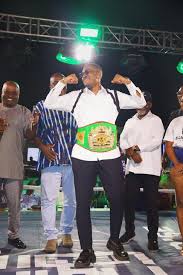
CEO Sharaf Mahama outlined Legacy Rise Sports’ vision to elevate Ghanaian sports through talent identification, development, and global promotion. He called for support from individuals and organizations to advance the company’s goals. Mahama was honored with a boxing belt by the Ghana Boxing Association for his contributions to the sport.
With its successful launch, Legacy Rise Sports is set to play a significant role in the development of Ghanaian sports, focusing on empowering youth and promoting local talent on the global stage.
by Silas Boahene | Aug 14, 2024 | Africa, Ghana, International, Other Sports
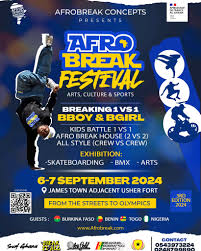
The Olympic Edition of the Afrobreak National Championship will take place at Ussher Fort near James Town, Accra, on September 7 and 8, 2024. Hosted by Afro Break Academy (ABA), the event will feature Dance Battles, Sports Activation, Exhibition, and a Block Party. Bboy Lyricx, CEO of Afro Break Concepts, highlighted that this championship serves as a prelude to the Afrobreak International Championship Africa Finals, scheduled for October 25-27, 2024. The event, themed ‘From The Streets to Olympics,’ will showcase 1 vs 1 Breaking (Bboy & Bgirl), 2 vs 2 Afro-Break-House, 1 vs 1 Kids (Breaking & Afro), Crew vs Crew All Style, Power Moves Battle, Skateboard Challenge, and BMX demonstrations. Special guests from Togo, Burkina Faso, Nigeria, and Benin will also be in attendance.
by Silas Boahene | Aug 14, 2024 | Africa, Europe, Ghana, International, Other Sports
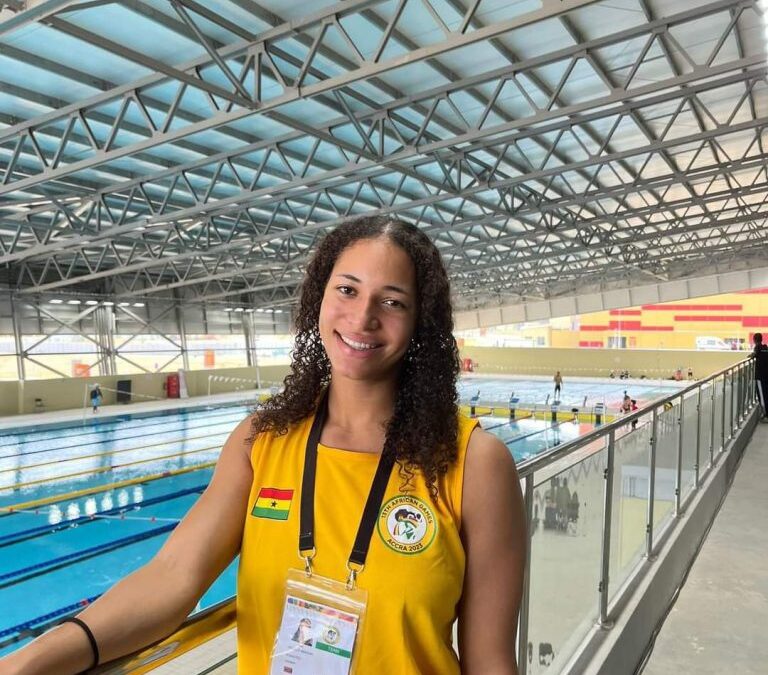
Ghanaian swimmer Joselle Mensah has hailed her participation in the 2024 Paris Olympics as a significant boost for her career. In an exclusive interview with Channel One Sports upon Team Ghana’s return, Mensah reflected on her debut in the Women’s 50 Meter Freestyle, where she did not advance to the semifinals. Despite this, she emphasized the invaluable experience and motivation gained from competing at such a prestigious event. “It’s a unique experience and a big achievement as an athlete,” Mensah said. “This milestone is a huge boost for my career and a source of motivation for future improvement.” Mensah, along with fellow swimmer Harry Stacey, represented Ghana at the Games, though neither secured a medal.
by Silas Boahene | Aug 14, 2024 | Africa, Athletics, International
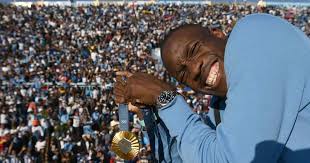
More than 30,000 people gathered at the National Stadium in Botswana to welcome Letsile Tebogo, the 2024 Olympic Games 200 meters gold medalist, and the members of Botswana’s 4×400 meters relay team. Tebogo, who anchored the relay team to a silver medal, highlighted Botswana’s most successful Olympic campaign to date, which included the country’s first-ever gold medal. Tebogo, 21, secured the 200 meters gold with a time of 19.46 seconds, surpassing Kenneth Bednarek and Noah Lyles from the USA. During the celebration, Botswana President Mokgweetsi Masisi joined in, greeting the athletes amidst traditional dancers and widespread displays of the national flag. Tebogo and his teammates rode around the stadium in a rooftop car, acknowledging the enthusiastic crowd.