AFCON 2025 in Morocco: Football, Politics and Controversy Collide as Quarter-Finals Begin
While football traditionally slows down at the turn of the year in many countries, Morocco has been living and breathing the game since mid-December as it hosts the 2025 Africa Cup of Nations. This Friday, the tournament reaches the quarter-final stage, with the continent’s heavyweights still firmly in the hunt.
Officially known as the Coupe d’Afrique des Nations, AFCON is usually staged every two years and brings together 24 nations. After the first knockout round, familiar powers such as defending champions Côte d’Ivoire, record winners Egypt and the host nation remain in contention. For Morocco, the tournament is more than football — it is a prestige project and a major rehearsal for the 2030 FIFA World Cup, which the kingdom will co-host with Spain and Portugal.
Not all traditional forces survived. South Africa exited early, while Mali staged one of the round-of-16’s most dramatic turnarounds. Against Tunisia, the Eagles looked destined for elimination before a late equaliser deep into stoppage time forced extra time. The North Africans, who had dominated possession and chances, eventually fell in a penalty shootout after Mali goalkeeper Djigui Diarra saved two spot-kicks. Former Stuttgart striker El Bilal Touré converted the decisive penalty to seal Mali’s place in the last eight.
The quarter-finals begin on Friday with Mali facing Senegal, a side that has impressed with its fighting spirit, dropping points only once — a 1–1 draw against DR Congo in the group stage. Later that evening, hosts Morocco meet Cameroon, who edged South Africa 2–1 in the Round of 16.
Morocco’s path, however, has not been without controversy. Despite the presence of stars like Paris Saint-Germain full-back Achraf Hakimi, the Atlas Lions endured an inconsistent group stage. Their Round of 16 win over Tanzania was overshadowed by a contentious refereeing decision, when Malian referee Boubou Traoré failed to award a penalty after defender Adam Masina brought down Iddy Nado in the box — a call that was not even reviewed by VAR and sparked accusations of bias.
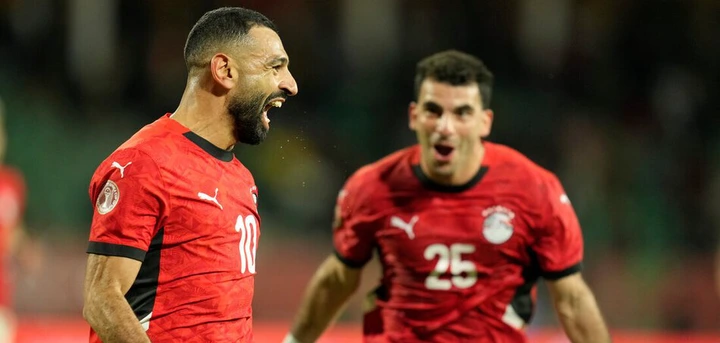
Saturday’s fixtures feature Algeria versus Nigeria — the only team to have won all their matches so far — and a heavyweight clash between Egypt and Côte d’Ivoire. Algeria needed a moment of brilliance in extra time to overcome DR Congo, with substitute Adil Boulbina scoring a stunning late winner. Côte d’Ivoire, meanwhile, have been among the tournament’s most convincing teams, their only setback a 1–1 group-stage draw with Cameroon, before comfortably dispatching Burkina Faso 3–0 in the Round of 16.
That match carried an unsettling backdrop. Reports of an attempted coup in Burkina Faso’s capital, Ouagadougou, surfaced before kick-off, followed by claims that an assassination attempt on President Ibrahim Traoré had been foiled. Allegations soon emerged suggesting foreign involvement, with Côte d’Ivoire — a close ally of France — drawn into the narrative, adding a layer of political tension to the football.
Politics has loomed large over AFCON 2025. Morocco has spared no expense in presenting a grand spectacle, despite the flagship Grand Stade Hassan II in Casablanca — planned to be the world’s largest stadium — not being completed in time. Other venues were newly built or refurbished, reflecting the country’s desire for global recognition. Yet criticism has been fierce, with domestic protests demanding better investment in healthcare and education rather than lavish sporting events. The “Gen Z 212” movement even called for a boycott, a move reportedly met with harsh repression.
Attendance during the group stage was unusually low for a tournament renowned for its atmosphere, with reports suggesting free tickets were later distributed to fill the stands. Nationalist demonstrations, particularly against Algeria, also drew attention, while controversial pre-match entertainment — including belly dancers used to provoke opposition fans — circulated widely online.
Questions over refereeing decisions have further fuelled conspiracy theories. Morocco have benefited from several disputed calls, including questionable penalties and missed fouls, leading to claims of manipulation — from match officiating to even the group-stage draw. Online, AFCON 2025 is already being labelled by some as the most controversial edition yet.
Sceptics, however, might shrug and say: welcome to football politics — FIFA-style.