
On paper, the new African football calendar unveiled by the Confederation of African Football (CAF) is bold, progressive and strategically coherent.
A shift to a four-year AFCON cycle from 2028, with the next tournament slated for 2032. The launch of an annual African Nations League beginning in 2029. A redesigned interclub calendar aligned more closely with global football rhythms.
These are not reckless ideas. In many ways, they are overdue structural adjustments aimed at shielding African football from decades of external pressure—particularly from European leagues and clubs that have long treated AFCON as a disruption rather than a continental crown jewel.
From a purely technical perspective, CAF is right.
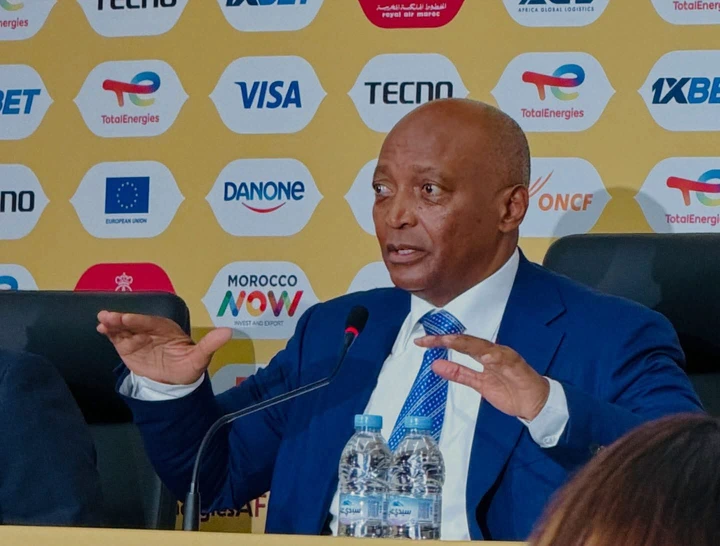
And yet, the sharp reaction from elite African coaches, players and journalists reveals a parallel truth: even the right decisions can falter if the process behind them alienates key stakeholders. One journalist went as far as accusing Dr Patrice Motsepe’s CAF of running African football for European interests.
Why the Calendar Logic Holds Up
CAF’s objectives are rational and defensible. Aligning Africa’s football calendar with the global system eases tensions around player release. A four-year AFCON cycle reduces international overload on elite players. An annual African Nations League guarantees regular, high-quality competition in non-AFCON years, keeping fans, broadcasters and sponsors engaged.
More importantly, the new framework signals something African football has long lacked: negotiation from a position of strength, not apology. For once, CAF is not reacting to Europe’s complaints but restructuring its ecosystem to neutralise them.
That matters.
But Football Is Not a Spreadsheet
Where CAF misjudged the moment is not the idea, but the method.
Football is not governed by calendars alone. It is governed by consent. The public backlash from respected journalists, coaches and players suggests a worrying gap: those most affected appear to have been informed, not consulted.
And that distinction is critical.
Coaches plan careers around preparation cycles that now fundamentally change. Players must adapt to new physical, mental and cultural rhythms. Domestic leagues face season overhauls. Broadcasters and sponsors must rethink long-term strategies.
When reactions spill into the public domain, it often signals not resistance to progress, but exclusion from the process.
Stakeholder Sport, Executive Decision
Football is, by nature, a stakeholder sport. Its legitimacy flows upward—from players, coaches, clubs, leagues and fans—before flowing downward into governance structures.
When reforms of this scale emerge primarily from executive corridors, they risk being seen as technically correct but democratically thin. That is the danger CAF now faces.
Even the smartest reform struggles to gain trust if those tasked with implementing it daily feel bypassed.
Process Is Infrastructure, Not Politeness
In modern football governance, consultation is not symbolic. It is structural. Player unions exist for moments like this. Coaches’ associations exist to test ideas against sporting reality.
Bringing these bodies into the process does not weaken authority; it reinforces legitimacy. Had CAF convened a visible, continent-wide stakeholder dialogue before unveiling the calendar, today’s debate would likely be about refinement, not resentment.
A Missed Opportunity
CAF had an opportunity to frame this calendar not just as reform, but as continental consensus—Africa speaking with one voice to the global game. Instead, the narrative drifted toward governance trust.
That is unfortunate, because the reforms themselves deserve scrutiny and improvement, not suspicion.
The Bottom Line
CAF’s new calendar is ambitious, intelligent and strategically aligned with modern football realities. It addresses long-standing structural flaws and repositions African football with confidence.
But football is not modernised by structure alone. It is sustained by inclusion, process and trust.
If CAF wants these reforms to endure, the next step should not be another announcement, but a recalibration of how decisions are made.
Because in African football—as everywhere else—the future is not only about getting the answer right, but about ensuring everyone is in the room when that answer is decided.




0 Comments