by Emmanuel Atanga | Apr 7, 2026 | Africa, Europe, Ghana, International, Soccer, USA, World Cup
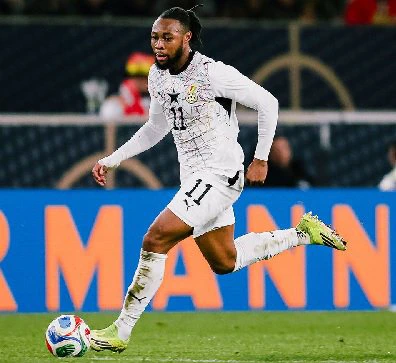
In today’s fast-evolving game, few Ghanaian players are enjoying the kind of rise that Antoine Semenyo is currently experiencing. From his impressive spell at AFC Bournemouth to his high-profile move to Manchester City, the 26-year-old has transformed into a dynamic attacking force—combining power, pace, and precision.
His 2025/26 season has been nothing short of outstanding, with goals, assists, and match-winning performances placing him among the Premier League’s most effective attackers. At club level, Semenyo is no longer a prospect—he is delivering at the highest level.
A Different Story with Ghana
However, the narrative takes a sharp turn when it comes to the Ghana national football team.
Despite his club success, Semenyo’s international numbers remain modest, with just a handful of goals across over 30 appearances. For a player of his quality and current form, that return raises serious questions.
This is not a fringe player—this is someone expected to lead Ghana’s attack heading into the 2026 FIFA World Cup.
Tactical Disconnect or Individual Struggle?
Semenyo’s situation highlights a broader issue within Ghana’s setup.
At club level, he thrives in:
High-intensity, fast-paced systems
Quick transitions and counter-attacks
One-on-one attacking situations
At international level, however, Ghana has often struggled with:
A lack of clear attacking identity
Inconsistent tactical structure
Limited service to forwards
The result is a visible disconnect between individual brilliance and team performance.
During the tenure of Otto Addo, these issues became more apparent, as results failed to match the talent available.
A Defining Moment for Ghana’s Next Coach
With a new coach set to take charge, one major question stands above all:
How do you unlock Antoine Semenyo?
This is no longer a tactical option—it is a necessity.
To maximize his impact, the next coach must:
Build a system that suits his strengths
Clearly define his role in attack
Develop chemistry with key players like Mohammed Kudus
Establish a consistent attacking structure
More Than a Player—A Symbol of Hope
Semenyo represents more than just form—he represents the future of Ghana’s attack. A player capable of redefining the team’s identity and leading a new era.
But football demands more than potential—it demands results.
For Ghana to succeed, responsibility must be shared:
The player must rise to the moment
The coach must create the right environment
If both align, Semenyo could become the face of Ghana’s next footballing generation.
Until then, the paradox remains: one of Ghana’s most in-form attackers in world football is still waiting to fully ignite on the international stage.
by Emmanuel Atanga | Apr 7, 2026 | Africa, Europe, Ghana, International, Soccer, USA, World Cup
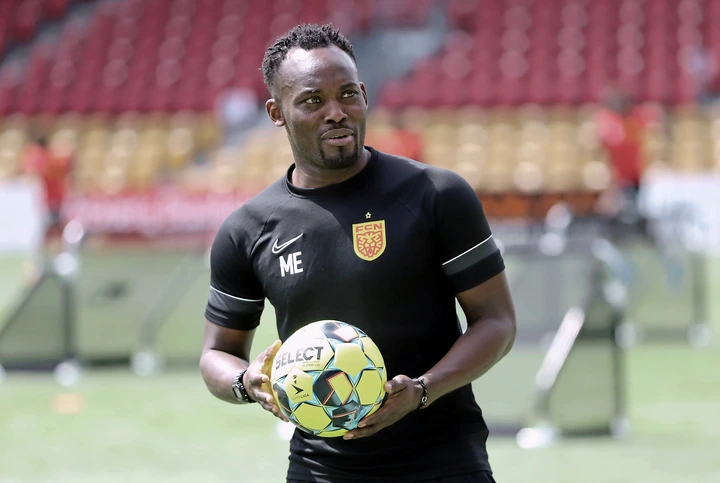
Ghana football legend Michael Essien has shared an optimistic vision for the Ghana national football team ahead of the 2026 FIFA World Cup, predicting a squad heavily influenced by talents developed through FC Nordsjælland and the Right to Dream Academy pathway.
Currently serving as assistant coach at Nordsjælland, Essien has played a key role in nurturing young African talents, many of whom are now knocking on the doors of the national team. His presence at FIFA headquarters underscores his continued commitment to supporting Ghana’s next generation.
Essien highlighted the importance of guiding young players, emphasizing that their growth is crucial to the country’s football future. Several rising stars—including Mohammed Kudus, Ibrahim Osman, Ernest Nuamah, and Kamaldeen Sulemana—have all benefited from this development route and are expected to play key roles on the العالمي stage.
He reserved special praise for Kudus, describing him as one of Ghana’s brightest stars, while also applauding Sulemana’s pace, strength, and dribbling ability. Essien stressed the need to support and protect such talents, allowing them the freedom to express themselves on the pitch.
The former midfielder also singled out Caleb Yirenkyi as a promising and versatile player. Known for his work ethic and composure, Yirenkyi has impressed within the Nordsjælland setup, with Essien noting glimpses of his own playing style in the young midfielder.
Despite recent setbacks for the Black Stars, Essien remains hopeful. He acknowledged the disappointment of past performances but urged the team to stay focused and embrace the opportunities ahead. According to him, tournament football is unpredictable, and success will depend on taking each game as it comes.
With a new generation rising through a proven development system, Essien believes Ghana has the foundation to compete strongly on the world stage once again.
by Emmanuel Atanga | Apr 7, 2026 | AFCON, Africa, Nigeria, Soccer
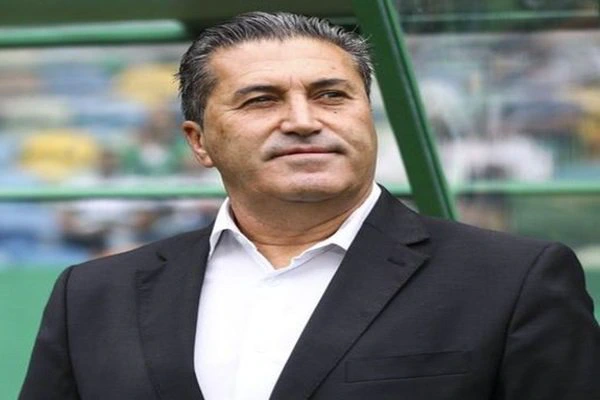
Former Nigeria national football team head coach José Peseiro has reaffirmed his belief that anything short of a final appearance at the Africa Cup of Nations falls below expectation for a nation of Nigeria’s stature.
Reflecting on the team’s third-place finish at the 2026 AFCON in Morocco, Peseiro acknowledged the effort under current coach Eric Chelle but insisted that Nigeria’s ambitions must always be set higher.
Having guided the Super Eagles to the final of the 2023 tournament—their first since their 2013 triumph—Peseiro sees that achievement as the minimum benchmark going forward. In that final, Nigeria narrowly lost 2–1 to Ivory Coast national football team, but their run was widely praised as a return to elite continental competitiveness.
According to him, Nigeria’s rich football history and reputation demand consistent appearances in the final, not just respectable finishes. While the third-place result in 2026 showed promise—especially with the team’s attacking quality—it still fell short of the standard he believes the Super Eagles should uphold.
For Peseiro, the message is clear: progress is important, but for a football powerhouse like Nigeria, true success is measured by reaching—and winning—the biggest matches on the continent.
by Emmanuel Atanga | Apr 7, 2026 | Africa, Europe, International, Soccer, World Cup
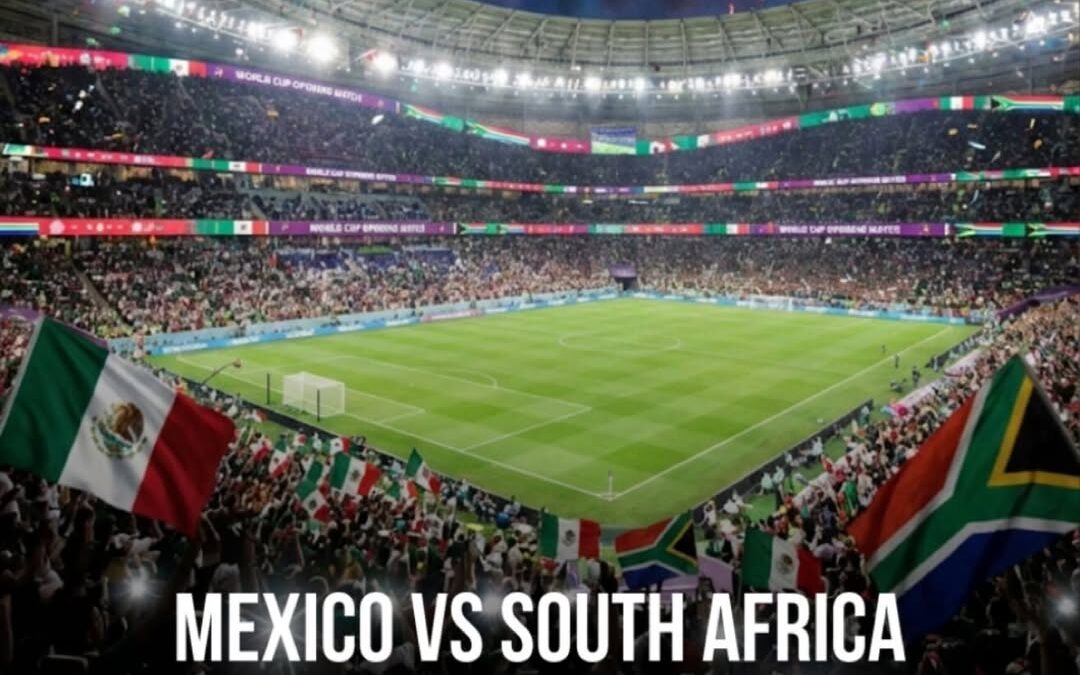
The road to the 2026 FIFA World Cup is now clearly mapped out for the Mexico national football team, as the host nation prepares to embrace both opportunity and expectation on football’s biggest stage.
With the tournament expanded to 48 teams for the first time and co-hosted by Mexico, United States, and Canada, this edition promises to be historic in scale and intensity. For Mexico, however, the spotlight burns even brighter—they are not just participants, but one of the faces of the tournament.
Group A: A Blend of Styles and Surprises
Drawn into Group A, Mexico will face a diverse set of opponents:
South Africa national football team
South Korea national football team
Czech Republic national football team
Each opponent brings a unique challenge. South Korea’s pace and discipline, South Africa’s physical edge, and Czechia’s resilience—especially after their dramatic playoff qualification—set the stage for a competitive group.
Match Schedule: Mexico’s Group Stage Fixtures
Here’s how Mexico’s journey unfolds:
June 11, 2026
Mexico vs South Africa
Venue: Estadio Ciudad de México
Time: 1:00 PM
June 18, 2026
Mexico vs South Korea
Venue: Estadio Guadalajara
Time: 7:00 PM
June 24, 2026
Czechia vs Mexico
Venue: Estadio Ciudad de México
Time: 7:00 PM
The opening match against South Africa will serve as the tournament’s curtain-raiser, placing immediate pressure on Mexico to deliver in front of a global audience.
Home Advantage and High Expectations
Mexico’s fixtures are strategically set within familiar territory, minimizing travel and maximizing crowd support. Playing twice in Mexico City and once in Guadalajara offers a significant edge, both physically and psychologically.
However, history shows that hosting a tournament comes with its own weight. The expectations of millions can inspire greatness—or create overwhelming pressure. For Mexico, managing that balance will be just as important as tactics on the pitch.
The Bigger Picture
With the group stage now confirmed, Mexico’s focus shifts from preparation to precision. Scouting opponents, refining tactics, and building momentum will be key as they aim to go beyond expectations.
In a tournament where surprises are inevitable—especially with the expanded format—no opponent can be underestimated. Czechia’s playoff heroics are proof that even the so-called underdogs can become major threats.
As the countdown continues, one thing is certain: Mexico’s World Cup story is ready to begin—and the world will be watching.
by Emmanuel Atanga | Apr 7, 2026 | AFCON, Africa, Soccer
The aftermath of the 2025 Africa Cup of Nations final has erupted into one of the most heated debates in African football, following a dramatic decision by the Confederation of African Football to strip Senegal national football team of the title and award it to Morocco national football team.
The final, played on January 18, 2026, in Rabat, was already filled with tension when Senegalese players briefly walked off the pitch in protest of a penalty decision. The incident caused a 17-minute delay before play eventually resumed under the referee’s supervision.
CAF later ruled that the walk-off breached its regulations, specifically provisions relating to match abandonment. Under these rules, a team that leaves the pitch without authorization is considered to have forfeited the game, resulting in a 3-0 loss.
From a regulatory standpoint, CAF’s decision can be seen as an attempt to uphold discipline and deter future misconduct. However, the situation becomes more complex given that the referee allowed the match to continue. The disputed penalty was missed, and the game proceeded into extra time, where Senegal scored what proved to be the winning goal before the final whistle confirmed the end of the match.
This sequence of events has raised serious concerns about the legitimacy of CAF’s post-match ruling. Critics argue that once the match was completed in full accordance with the referee’s authority, the result on the pitch should have stood.
Awarding the title to Morocco through administrative action, rather than sporting outcome, has drawn widespread criticism. Many believe it undermines the spirit of competition and diminishes the emotional authenticity that comes with winning on the field.
The decision has also reignited long-standing concerns about transparency and governance within CAF. For many observers, the move risks deepening perceptions of bias—particularly given that the title was reassigned to the host nation.
Supporters of Senegal maintain that, regardless of official records, their team earned the trophy through performance and resilience. In their view, disciplinary measures such as fines or warnings would have been more appropriate than overturning the match result entirely.
As the controversy continues to unfold, the episode serves as a reminder of the delicate balance between enforcing rules and preserving the integrity of the game.