by Emmanuel Atanga | Apr 7, 2026 | Africa, Europe, Ghana, International, Soccer, USA, World Cup
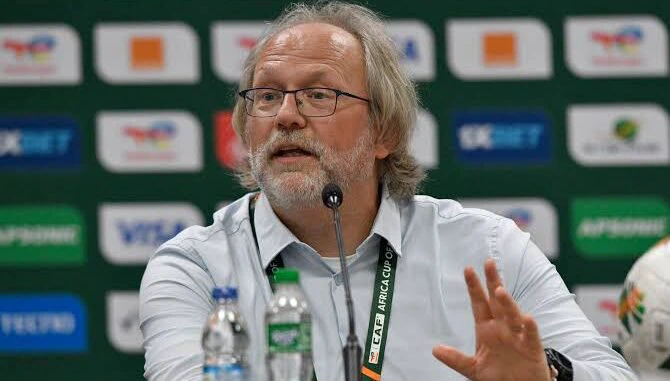
The search for a new head coach for the Ghana national football team is gathering momentum, with Belgian tactician Tom Saintfiet reportedly making the shortlist of the Ghana Football Association.
Following the departure of Otto Addo after a difficult run of results, the GFA is moving swiftly to secure a capable replacement ahead of the 2026 FIFA World Cup. With time not on their side, the federation is prioritizing experience, tactical strength, and financial feasibility in its decision-making process.
Saintfiet has steadily built a solid reputation within African football. Currently in charge of Mali, he guided the team to the quarter-finals of the 2025 Africa Cup of Nations, earning recognition for his disciplined defensive structure and tactical awareness.
His earlier success with The Gambia further strengthened his credentials, having led them to their first-ever AFCON appearance in 2021, where they exceeded expectations by reaching the quarter-finals in their debut campaign.
The Belgian has also attracted attention beyond Ghana, previously drawing interest from the Nigeria Football Federation and even expressing openness to coaching the Super Eagles—an indication of his growing influence on the continent.
With reports suggesting his contract with Mali may soon expire, Saintfiet could be available at the right time for Ghana. However, financial considerations—particularly his reported monthly salary—may play a key role in negotiations.
As Ghana prepares for upcoming friendlies, including a test against Panama, the urgency to appoint a new coach continues to grow. With a tough World Cup group featuring England, Croatia, and Panama, the next appointment could define the Black Stars’ chances on football’s biggest stage.
by Emmanuel Atanga | Apr 7, 2026 | Africa, Europe, Ghana, International, Soccer, USA, World Cup
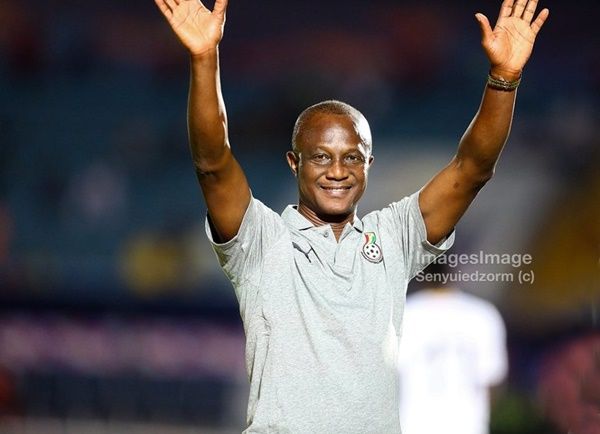
As the search for a new head coach for the Ghana national football team intensifies, former Management Committee member Ernest Thompson has made his stance clear—he believes returning to Kwesi Appiah would be a step in the wrong direction.
Following the dismissal of Otto Addo after disappointing friendly defeats to Austria and Germany, the Ghana Football Association has been under pressure to make a decisive and forward-thinking appointment ahead of the 2026 FIFA World Cup.
Despite Appiah emerging as a strong contender due to his previous experience with the national team, Thompson has raised concerns about his leadership style. Speaking in an interview, he stressed that the current squad requires a firm and authoritative figure capable of managing high expectations and maintaining discipline at the highest level.
According to him, the stakes are too high for familiarity to take precedence over effectiveness. He pointed to top football nations like England and Brazil, emphasizing how bold coaching decisions have often shaped their success on the global stage.
With crucial international friendlies against Mexico and Wales on the horizon, the GFA is expected to finalize its decision soon. The Black Stars, preparing for their fifth World Cup appearance, face a challenging group featuring Panama, England, and Croatia—making the choice of coach more critical than ever.
by Emmanuel Atanga | Apr 6, 2026 | AFCON, Africa, Soccer
The controversy surrounding the 2025 Africa Cup of Nations final has resurfaced, with Senegal preparing to take decisive legal action at the Court of Arbitration for Sport in a bid to challenge the ruling made by the Confederation of African Football.
The dispute stems from a chaotic final held in Casablanca, where the clash between Senegal and Morocco was abandoned before full time following crowd unrest and escalating tension on the pitch. Senegal withdrew from the match, citing safety concerns, in what was meant to be a historic footballing occasion.
In the aftermath, CAF’s Disciplinary Committee awarded Morocco a 3-0 victory by default, ruling that Senegal’s withdrawal lacked sufficient sporting justification. The decision sparked outrage within Senegal’s football leadership, igniting a legal battle that has continued to unfold.
Senegal initially appealed the verdict through CAF’s Appeals Committee, arguing that the conditions on the night made it impossible to safely continue the match. However, the appeal was rejected, with the committee maintaining that the withdrawal was a unilateral decision by the Senegalese team. Notably, CAF has yet to officially clarify the status of the title itself, leaving uncertainty over the rightful champions.
Now, with the Appeals Committee’s decision formally communicated, Senegal is set to escalate the matter to CAS in Lausanne. Reports indicate that the federation is finalizing its legal submission, hoping to overturn the ruling or secure a reassessment of the match outcome.
CAS is yet to announce a hearing date, but its Director General, Matthieu Reeb, has assured that proceedings will be handled promptly while ensuring fairness to all parties involved. Any decision reached by CAS is expected to be final and binding.
As the case moves into its decisive phase, Morocco continues to rely on CAF’s ruling, while Senegal seeks to prove that its withdrawal was due to unavoidable “force majeure” circumstances. The outcome could ultimately reshape the narrative of one of the most controversial finals in African football history.
by Emmanuel Atanga | Apr 6, 2026 | Africa, Europe, International, Soccer, World Cup
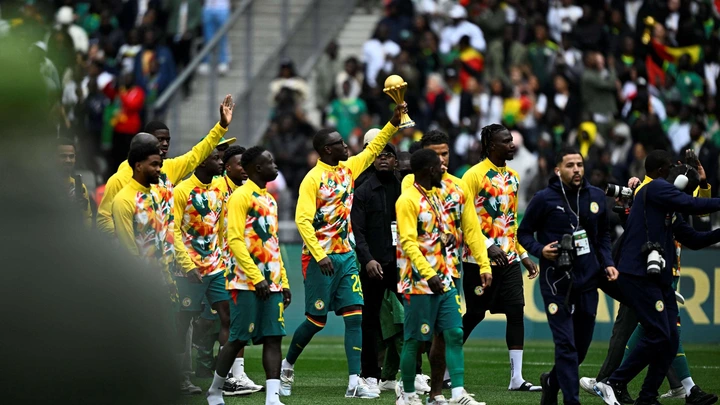
The president of the Senegalese Football Federation, Abdoulaye Fall, has strongly defended his country’s Africa Cup of Nations triumph, insisting that Senegal remains the rightful champion despite ongoing controversy involving Confederation of African Football.
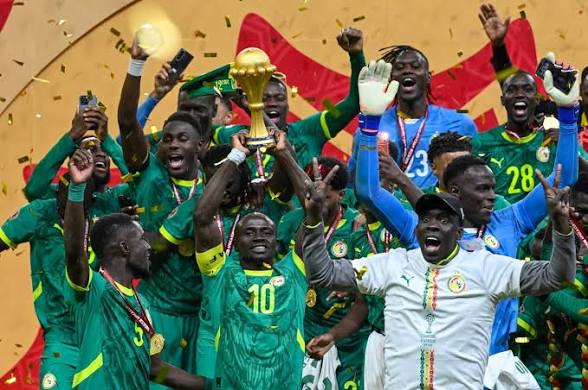
Senegal were crowned winners of the 2025 AFCON after defeating Morocco 1-0 in extra time. However, a decision by CAF’s Appeals Committee reportedly sought to overturn the result and award the title to Morocco, sparking a major dispute.
Fall dismissed any legal uncertainty surrounding the title, revealing that the case has been taken to the Court of Arbitration for Sport. He expressed confidence that Senegal’s victory will stand, emphasizing that what truly matters is the achievement secured on the pitch.
He further stressed that the situation has only strengthened unity within the team, adding that it serves as added motivation as the Lions of Teranga prepare for the 2026 FIFA World Cup. Senegal have already outlined their preparations, including high-profile friendlies against the United States and Saudi Arabia.
Despite the off-field tension and allegations surrounding pre-match doping procedures, the federation remains focused on the future. Senegal are set to compete in a challenging World Cup group alongside France, Norway, and Iraq as they aim to build on their continental success.
by Emmanuel Atanga | Apr 6, 2026 | Africa, Europe, Ghana, International, Soccer, USA, World Cup
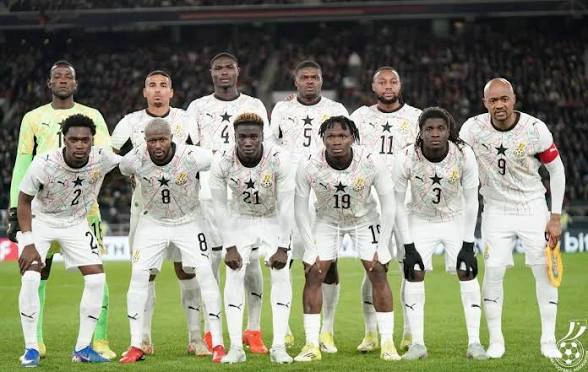
Ghana national football team may face an unexpected financial setback ahead of the 2026 FIFA World Cup, as emerging reports indicate that a portion of their tournament earnings could be reduced due to tax obligations in the United States.
The concern arises from the inability of FIFA to secure a full tax exemption agreement with U.S. authorities for all participating nations. As a result, revenues generated during matches played on American soil—such as prize money and commercial income—could be subject to taxation.
The 2026 tournament, co-hosted by the United States, Canada, and Mexico, will introduce an expanded 48-team format, offering increased financial opportunities. However, unlike the 2022 edition in Qatar—where teams benefited from full tax exemptions—the current framework presents a more complex financial landscape.
This development may particularly affect African nations such as Senegal and DR Congo, whose football associations could see reduced earnings. For federations already operating with limited resources, this could impact both short-term finances and long-term development plans.
On the other hand, countries like Egypt, Morocco, and South Africa may be better positioned due to existing tax treaties with the United States, potentially allowing them to minimize or avoid some tax liabilities.
The implications extend beyond national associations, as players and technical staff are also likely to face taxation on personal earnings made during the tournament. This could reduce their net income and add another layer of complexity to World Cup preparations.
With concerns growing among stakeholders, attention now turns to whether any late agreements or policy adjustments can be reached before kickoff. Until then, Ghana and other affected nations may need to prepare for a scenario where their financial rewards from football’s biggest stage fall short of expectations.